Entertainment
Wireless Festival Cancellation After UK Entry Block
Wireless Festival cancellation follows Kanye West UK entry block, reshaping the festival headline and raising fresh scrutiny over antisemitic comments.

Wireless Festival Plans Take a Hit
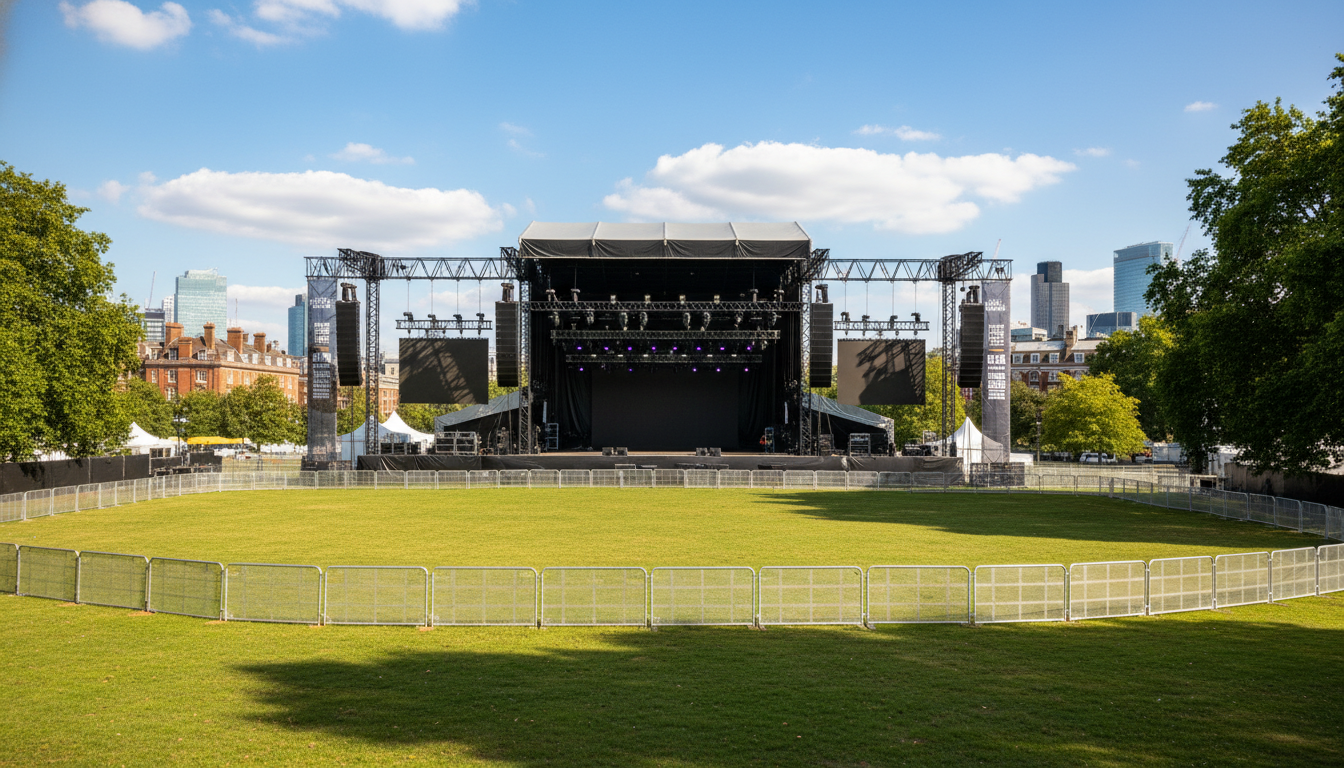
Wireless Festival cancellation has landed as a hard stop on months of planning, with organisers pulling the plug after Kanye West was blocked from travelling to the UK. The decision leaves artists, crews and ticket holders facing immediate disruption around venues, staging contracts and travel holds that are difficult to unwind at short notice. Today, the priority is practical, refunds, supplier settlements and clear messaging to fans who expected a major summer weekend in London. A Live operations timetable that normally tightens into show week has instead flipped into crisis mode, with staffing and security partners standing down. An initial Update from those close to the event points to the headliner issue as the key trigger, rather than weather, infrastructure, or routine licensing complications.
Kanye West’s Controversial Comments
The ban has kept the focus on Kanye West UK entry, and on the public record that shaped that decision, including antisemitic comments that have drawn widespread condemnation. While festival promoters rarely comment on immigration processes, the ripple effect is immediate because headline billing drives sponsor activations, broadcast interest and the final curve of ticket sales. The festival headline in this case became inseparable from reputational risk, with partners weighing the optics of association alongside contractual obligations. In the background, London events operators were already tracking wider consumer sensitivity after recent brand pullouts in other sectors, from sport to tech, a dynamic that has also been discussed in unrelated coverage such as explainers on how digital assets carry reputational volatility. Today, a second Live briefing to stakeholders emphasised compliance first, then communications, as the next Update cycle is expected to set refund timelines and clarify liabilities.
Public Reaction and Festival Fallout
The public response has split along familiar lines, with many welcoming firm consequences for antisemitic comments, and others criticising the collapse of a major cultural date that supports hundreds of workers. In the hours after cancellation, fan forums and local social channels moved quickly from anger to logistics, hotel cancellations, travel refunds and rebooking decisions across London. For organisers, the critical challenge is to limit secondary harm by confirming how payments will be processed and whether any partial programming can be repurposed elsewhere, without implying a like for like replacement. Coverage from established outlets has reinforced the seriousness of the controversy and its commercial consequences, including reporting by the BBC on the chain of events around the cancellation. A Live customer service operation is now central, and the next Update needs to be detailed enough to reduce disputes and chargeback pressure.
Impact on London’s Entertainment Scene
The cancellation punches a clear hole in London’s entertainment calendar, not just for fans but for the network of suppliers who rely on peak season work, from riggers and sound engineers to transport firms and local hospitality. Promoters talk often about resilience, yet this is a reminder that a single travel decision can collapse a complex production stack. Citywide, the loss is measurable in the short term, but the reputational discussion is longer, how London balances openness to global acts with boundaries tied to hate speech and public order. The situation also lands in a broader context of security and policing pressures in the capital, where large gatherings already require careful coordination with officials; that backdrop has been explored in reporting on London police serious violence operations. Today, the industry is watching Live sentiment closely, and another Update on rescheduled dates across rival events could shape where audiences spend next.
Future for UK Music Festivals
For the wider circuit, the Wireless Festival cancellation sets a fresh benchmark for how quickly a top tier booking can become a liability, and how little runway organisers may have when a headliner is suddenly unavailable. UK festivals will be rechecking clauses around morality, travel eligibility and replacement rights, not as a political gesture but as basic risk management. Agents and managers will also face sharper questions about disclosure and contingency, because insurance does not always cover a cancellation rooted in reputational factors. The practical outcome is likely tighter vetting, more robust standby plans and earlier engagement with authorities when international travel could be contentious. That does not mean shrinking ambition, but it does mean more attention to how festival headline choices land with communities and partners. A Live marketplace is already adjusting, and the next Update from promoters will indicate whether this becomes an isolated shock or a new normal for booking strategy.