
Business
Why Succession Planning Matters for Family Businesses

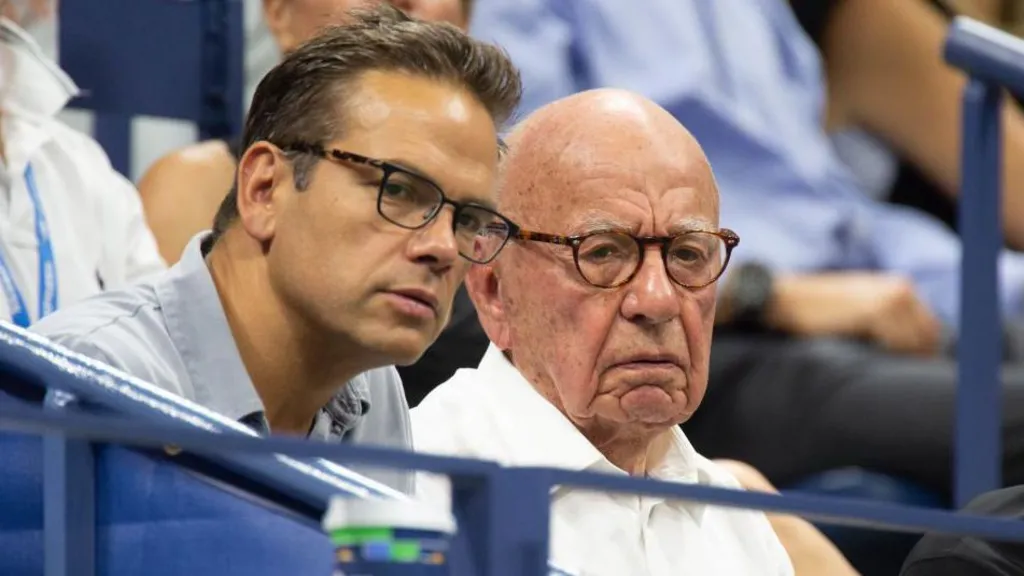
Family-run companies often carry a unique blend of history, emotion, and responsibility. The recent agreement reached by Rupert Murdoch and his children to end their long-running succession dispute highlighted something many family firms already know but sometimes delay addressing. Without a clear plan for leadership transition, even the strongest family business can be pulled into conflict, uncertainty, and legal complications. The Murdoch story served as a global reminder that the next generation needs clarity long before decisions become urgent.
Across different industries and countries, many family owned businesses are already dealing with these questions. Their experiences show how careful planning can protect a legacy while allowing younger generations to step into meaningful roles. These examples also underline that a smooth handover is not automatic. It requires communication, structure and the willingness to balance emotional ties with business needs.
A Look at Walkers Shortbread and Its Succession Approach
One of the most well-known examples comes from Walkers Shortbread, the Scottish biscuit maker famous for its tartan-patterned packaging seen in supermarkets and airports around the world. Founded in 1898 by Joseph Walker, the company is now led by his great-grandson Nicky Walker. Over more than a century, the business has remained in family hands, but not by chance. Walkers has designed a model it calls a cousins consortium that aims to keep the family united while supporting long-term growth.
Nicky Walker explains that every member of the extended family is encouraged to join the company if they wish. The idea is not to restrict participation but to create a space where each person can pursue a role that suits their ambitions. This can range from operational responsibilities to leadership positions. By giving family members a voice in how they contribute, the company reduces the pressures that often arise when roles are assigned based solely on seniority or tradition.
He adds that disagreements do occur, but the guiding principle is always the good of the business. Decisions are reached through discussion and with a commitment to preserving unity. In his words, the company has always prioritised what supports stability and growth. Even when opinions differ, the shared understanding is that the business must come first. That collective mindset helps maintain harmony across generations.
Walkers also recognises the importance of bringing in people from outside the family when necessary. The firm works with professional advisors on legal aspects of succession planning and has set up an executive board that includes non family directors. This structure helps balance tradition with professional expertise and ensures the company keeps evolving.
Why Many Firms Struggle With Planning Ahead
While some companies take a proactive approach, many others struggle to think far ahead. Charlie Grubb, a senior managing director at the recruitment firm Robert Half, says family dynamics can make succession planning especially complex. Emotional ties can influence decisions in ways that do not always align with the long term interests of the business. Leaders must be able to separate family relationships from leadership responsibilities, which is not always easy.
Surveys show how widespread these challenges are. In Canada, more than four in ten business leaders reported that they have not identified someone to take over their role when they step down. Another report projected that the lack of proper succession planning could contribute to business closures, job losses and broader economic instability in the coming years. These findings reflect the risks many family businesses face when they delay conversations about the future.
Succession requires looking beyond present strengths and identifying the skills that the business will need in the next decade. It involves training younger family members, setting clear expectations and being honest about who is best suited for leadership. It also means accepting that not every family member will want or be prepared to take on major responsibilities. When handled early and thoughtfully, these conversations allow the company to grow while preserving trust within the family.
The Path Forward for Family Enterprises
Family businesses sit at the intersection of legacy and innovation. Their history gives them strength, but their future depends on preparation. The examples above show that successful succession planning is not about predicting every detail but about building a structure that can support change. Open communication, external guidance and a willingness to prioritise the company over personal emotions can help families navigate transitions with confidence.



