
Politics
Westminster Discovers TikTok Exists, Immediately Tries to Regulate It

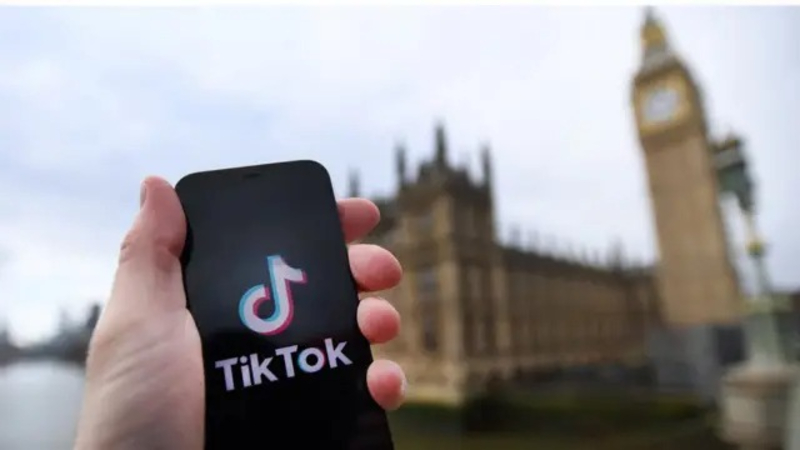
Westminster has entered another familiar phase of digital awakening. This time, the focus is TikTok. After years of rapid platform growth and cultural influence, MPs have renewed their attention on short form video, youth behaviour, and online harm. The response has followed a predictable pattern, blending concern, urgency, and visible uncertainty about how modern platforms actually operate.
The debate has resurfaced amid broader conversations about online safety and the mental health impact of social media on young people. While the intent behind the discussion is serious, the execution has once again exposed the gap between political instinct and digital reality. For users, creators, and platforms alike, the tone feels reactive rather than strategic.
Online safety becomes the political headline again
The most important driver of the current debate is online safety legislation already moving through the system. TikTok has become a focal point not because it is new, but because it is visible, popular, and culturally dominant among younger users. That visibility makes it an easy symbol in a wider policy conversation.
MPs have raised concerns around addictive design, content moderation, and exposure to harmful material. These are not new issues, but they have gained renewed urgency as social platforms become central to daily life for under 18s. Framing the debate around children and mental health has helped push the issue back onto the political agenda.
However, the proposals remain broad. Much of the discussion focuses on intent rather than enforcement, leaving significant uncertainty about what regulation would actually look like in practice.
Regulation without a clear enforcement plan
A recurring challenge in Westminster’s approach to technology is enforcement. While calls for tighter rules are common, clarity on how those rules would be applied is often missing. TikTok operates across borders, algorithms evolve rapidly, and content moderation decisions happen at scale.
Critics argue that without technical understanding, regulation risks being symbolic rather than effective. Age verification, content filtering, and algorithm transparency all present complex challenges that are not easily solved through legislation alone.
Supporters of tougher measures counter that waiting for perfect solutions delays action. They argue that platforms should bear greater responsibility, even if enforcement mechanisms are refined over time.
Public reaction remains muted
Outside Westminster, the response has been notably calm. TikTok users have largely continued as normal, showing little concern about potential restrictions. Many younger users have grown accustomed to periodic political scrutiny of social platforms and tend to assume that little will change.
Creators, meanwhile, view regulation as background noise unless it directly affects monetisation or reach. Past experience has shown that platform level changes are more likely to come from company policy than from government intervention.
This gap between political urgency and public reaction highlights the difficulty of regulating spaces that evolve faster than legislation.
A recurring pattern in digital policymaking
The current moment fits a broader pattern in UK tech regulation. A platform reaches cultural scale, public concern grows, and political attention follows. Hearings are held, statements are made, and proposals are floated. Outcomes, however, are often incremental rather than transformative.
This does not mean regulation is meaningless. Over time, pressure has influenced platform behaviour around safety tools and reporting mechanisms. But the process tends to be slow and reactive, struggling to keep pace with digital culture.
For TikTok, the immediate impact is limited. For Westminster, the challenge remains unresolved: how to regulate digital platforms effectively without stifling innovation or misunderstanding the medium.
A debate that reflects more than one app
The renewed focus on TikTok is less about a single platform and more about the broader tension between politics and digital life. Social media has become deeply embedded in society, while governance structures still operate on slower timelines.
Until that gap is addressed, these cycles are likely to continue. Platforms will evolve, politicians will respond, and users will adapt. Regulation may arrive, but clarity will take time. For now, the conversation moves forward, familiar, unresolved, and very much ongoing.



