Business
US Court Rules Trump’s Ban on Wind Energy Permits ‘Unlawful’

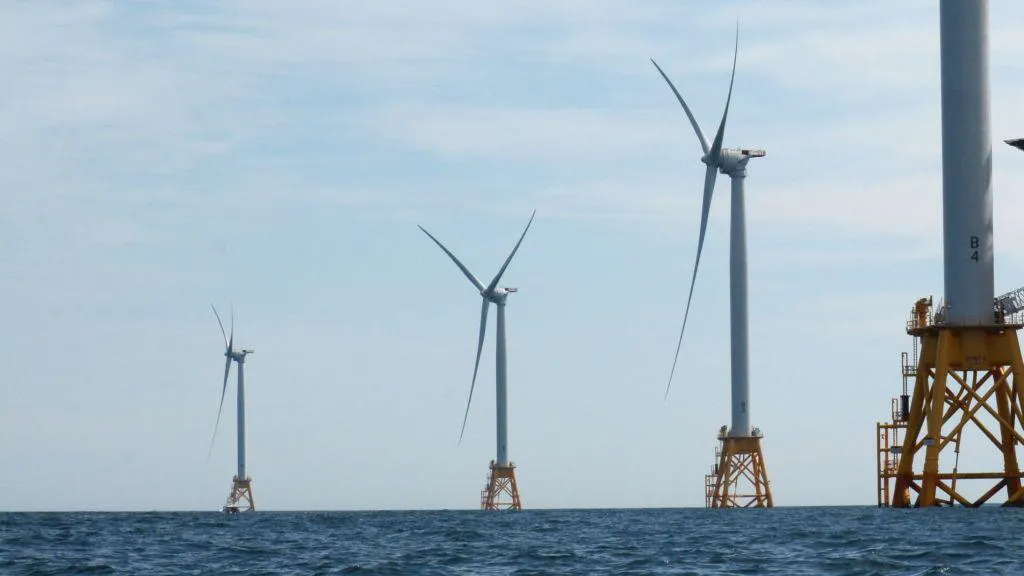
President Donald Trump’s freeze on new wind energy permits has been struck down by a US federal court, marking a significant setback for the administration’s efforts to halt renewable energy expansion. Earlier this year, Trump signed an executive order blocking federal approval of both offshore and onshore wind projects, disrupting dozens of developments already in progress across the country. The ruling now clears the way for those stalled projects to resume planning and construction, offering renewed momentum to America’s clean energy sector.
How the Permit Ban Sparked Nationwide Pushback
The ban triggered immediate legal challenges from seventeen states along with a New York based clean energy organisation. These groups argued that the freeze placed enormous strain on ongoing renewable infrastructure plans, including the Empire Wind 1 project off New York’s coastline. Empire Wind 1 is designed to generate enough electricity to power half a million homes, making it a cornerstone of the region’s long term renewable energy goals. Trump’s order effectively forced the project to halt operations, threatening economic investment, job creation and state level commitments to carbon reduction.
The plaintiffs argued that the executive order overstepped presidential authority and ignored established environmental and regulatory processes. Their lawsuit highlighted how sudden disruptions to the permitting system undermine investor confidence and jeopardise the country’s ability to keep pace with global energy transitions.
Judge Saris Overturns the Order
On Monday, Massachusetts district court judge Patti B Saris issued a sharply worded decision rejecting Trump’s freeze. She ruled that the executive order was “arbitrary and capricious and contrary to law,” a legal standard often applied when government actions lack reasonable justification or violate statutory obligations. By vacating the order, Judge Saris effectively restored the federal permitting process to its previous status and affirmed that the White House cannot unilaterally block entire categories of energy development without clear legal grounds.
Her ruling emphasised that federal agencies have established procedures for reviewing renewable energy projects, and those procedures cannot be suspended without appropriate evidence, consultation or statutory authority. The court’s decision sends a direct message that abrupt policy shifts must be grounded in law, not political preference.
A Boost for the US Renewable Energy Sector
For the wind energy industry, the ruling is a major victory. Developers, labour unions and environmental groups have repeatedly stressed that consistent permitting is essential for long term planning and investment. Offshore wind alone is expected to generate thousands of jobs and billions in economic activity over the next decade. The reinstatement of permit approvals will allow projects like Empire Wind 1 and others across coastal states to move forward.
State governments welcomed the decision, noting that clean energy infrastructure is crucial for achieving climate targets and reducing dependence on fossil fuels. Industry analysts also observed that the ruling brings reassurance to international investors who were concerned about the unpredictability of US federal energy policy.
Political and Environmental Implications
The court’s decision has political ripple effects as well. Trump has long criticised wind energy, often clashing with state leaders who view renewable projects as essential to economic growth and environmental protection. The ruling highlights growing tensions between federal attempts to restrict renewable development and state led efforts to expand it.
Environmentally, the reinstatement of wind permitting supports broader national goals to reduce greenhouse gas emissions and shift toward sustainable energy systems. Many experts argue that wind, particularly offshore wind, is one of the most promising tools for meeting future electricity demand while lowering carbon output.
As wind projects resume progress, the ruling may shape how future administrations approach federal energy regulation. It reinforces that executive power has limits, especially when it disrupts established legal procedures and threatens major economic sectors.