News
UK warns Kent meningitis outbreak not yet contained as cases continue to rise


British health authorities have warned that it is too early to confirm whether a meningitis outbreak in southeast England has been brought under control, as new infections continue to emerge. Officials reported seven additional cases, bringing the total number of confirmed infections to 27. The outbreak has already resulted in two deaths, raising concern among public health officials and local communities. The majority of cases are linked to students in Kent, with one reported in London, prompting authorities to closely monitor the situation as they assess the risk of further spread.
Health officials say the outbreak remains under investigation, with concerns that secondary transmission may still be occurring. Dr Anjan Ghosh, Director of Public Health at Kent County Council, stated that authorities cannot yet determine whether the spread has been contained. He explained that the disease’s incubation period, which can range from seven to ten days, means more cases could emerge in the coming days. This uncertainty has led to increased vigilance among health services as they continue contact tracing and testing efforts across affected schools and institutions.
The government has begun expanding its vaccination programme in response to the outbreak, focusing on students and high risk groups in the affected areas. Health Secretary Wes Streeting described the situation as highly unusual and confirmed that officials are considering whether to extend vaccination efforts more broadly across the population. Authorities are prioritising those most exposed to potential transmission, particularly students living and studying in close proximity, where infections can spread more easily due to shared environments and frequent social interaction.
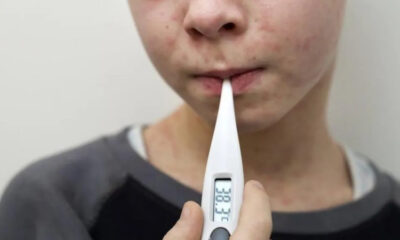
Public health experts have highlighted that meningococcal meningitis can develop rapidly and requires urgent medical attention. Symptoms often include fever, headache, vomiting, drowsiness, and sensitivity to light, while more severe cases can lead to septicaemia. A distinctive rash that does not fade when pressed can also appear in some cases. Young people, especially those attending universities or colleges, are considered more vulnerable due to their close contact with others in shared accommodations and social settings, which can increase the likelihood of transmission.
The outbreak has also placed pressure on vaccine supply chains as demand rises sharply across the country. Boots, one of Britain’s largest pharmacy chains, reported unprecedented demand for the meningitis B vaccine, leading to limited availability in several locations. The surge in demand reflects growing public concern as families and students seek protection amid uncertainty about the outbreak’s trajectory. Health authorities are working to manage supply while ensuring that priority groups receive timely access to vaccinations.
Despite the rising number of cases, European health officials have indicated that the overall risk to the general population remains low. However, the situation in Kent has prompted heightened awareness and precautionary measures, particularly in educational settings. Local authorities are coordinating with schools and universities to provide guidance, increase awareness of symptoms, and ensure rapid response to any suspected cases. The focus remains on preventing further transmission while maintaining public confidence in the health system’s ability to manage the outbreak.
UK health officials continue to monitor developments closely as new data emerges, with expectations that case numbers may fluctuate in the short term. Ongoing investigations aim to determine the full scope of the outbreak and identify any patterns of transmission. As vaccination efforts expand and awareness campaigns intensify, authorities are urging the public to remain alert to symptoms and seek medical advice promptly if concerns arise, while efforts continue to bring the situation under control.