Business
UK wage growth slows to five year low as economic pressures shift focus to energy driven inflation risks

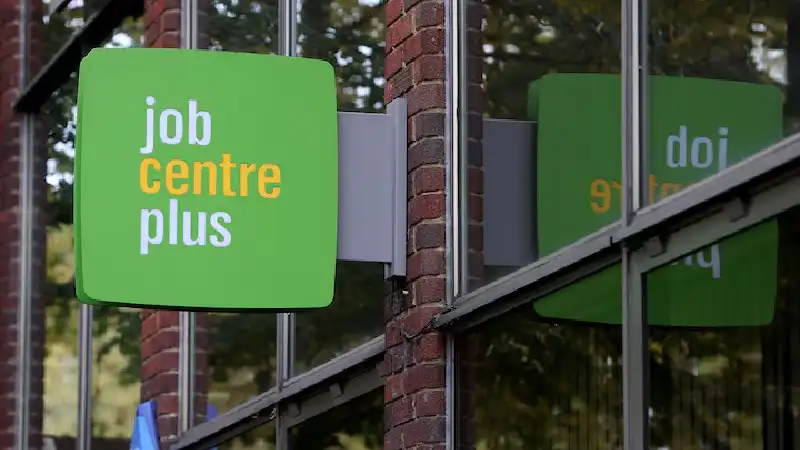
Wage growth in the United Kingdom has slowed to its weakest pace in five years, offering some relief to policymakers concerned about inflation, even as rising energy prices create fresh uncertainty. Official data showed that regular pay increased by 3.8 percent in the three months to January, down from previous levels and below market expectations. The figures suggest that pressure in the labour market may be easing after a prolonged period of strong wage growth. However, the broader economic outlook remains uncertain as geopolitical tensions begin to influence inflation and growth expectations.
The slowdown in wages comes alongside signs that the UK jobs market may be stabilising after months of mixed signals. The unemployment rate remained steady at 5.2 percent, slightly below forecasts, while separate payroll data indicated modest job growth in recent months. Analysts say this combination points to a labour market that is no longer overheating but is not yet weakening significantly. Employment levels have shown gradual improvement, with consecutive monthly increases in payrolled workers marking a shift after a period of stagnation throughout much of the past year.
Economists note that slower wage growth could help ease inflationary pressure, which has been a major concern for the Bank of England. Lower pay increases reduce the risk of sustained price rises driven by higher labour costs, a key factor in recent inflation trends. However, attention is now shifting toward external pressures, particularly rising oil and gas prices linked to conflict in the Middle East. These developments could offset the benefits of slower wage growth by increasing costs for businesses and households, potentially pushing inflation higher again in the coming months.
Experts have suggested that the latest data is unlikely to immediately change the Bank of England’s policy direction. While the figures provide some reassurance, policymakers are expected to remain cautious as they assess evolving risks. Some economists believe interest rates may need to stay elevated for longer if energy driven inflation persists. Others argue that the cooling labour market could eventually support a more flexible policy approach. The central bank has previously indicated that wage growth needs to fall closer to around 3.25 percent to align with its inflation target.
Recent economic indicators highlight the complexity facing policymakers. The UK economy showed no growth at the start of the year, reflecting underlying weakness in demand. At the same time, global energy markets have become more volatile, raising concerns about renewed inflationary pressures. Surveys suggest that pay settlements in the near future may still come in slightly higher than expected, indicating that inflation risks have not fully disappeared. This combination of slowing wages and rising external costs presents a challenging environment for economic management.
The labour market data also revealed that youth unemployment edged slightly lower, offering a small positive signal for policymakers concerned about employment prospects for younger workers. Meanwhile, hiring activity appears to be recovering gradually, with recent payroll figures showing consistent increases. Economists say these trends suggest that the labour market may be reaching a point of stability after a prolonged adjustment period. However, they caution that future developments will depend heavily on global conditions, particularly energy prices and geopolitical tensions.
As the Bank of England prepares for its next policy decisions, attention will remain focused on how these competing forces evolve. Slower wage growth provides some breathing room, but rising energy costs could quickly reverse progress on inflation. Policymakers are expected to closely monitor upcoming data on prices, employment and economic activity before making any significant changes to interest rates. For now, the latest figures underline a delicate balance between easing domestic pressures and emerging global risks.