Politics
UK Treasury Says No Panic as Everyone Immediately Panics

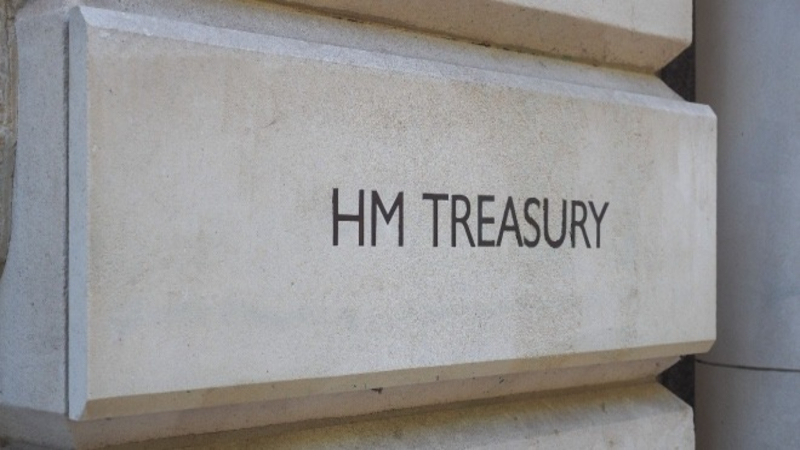
The UK Treasury has once again stepped forward with a calming message aimed at reassuring markets, households, and businesses that economic conditions remain manageable. Official language has focused on stability, gradual normalization, and long term discipline. For seasoned observers, the tone feels familiar and intentionally restrained, designed to signal control rather than urgency.
Public reaction, however, has been more skeptical than soothing. Financial markets showed mild volatility, online discussions surged within minutes, and everyday conversations quickly shifted back to inflation, wages, and living costs. The gap between institutional reassurance and public sentiment has become a recurring feature of Britain’s economic narrative.
Treasury Messaging and the Confidence Gap
Government statements increasingly prioritize confidence management. Inflation is described as easing, wage growth as stabilizing, and fiscal discipline as necessary for credibility. From a policy standpoint, this approach aligns with maintaining investor trust and avoiding sudden shocks to markets.
The challenge lies in perception. Many households continue to experience elevated prices for essentials, housing pressure, and constrained disposable income. When official optimism meets lived experience, skepticism grows. Reassurance loses effectiveness when it feels disconnected from daily financial reality.
This gap does not indicate panic driven by misinformation. It reflects a cautious public that has absorbed years of economic uncertainty and now evaluates official messaging through personal cost calculations rather than headline indicators.
Market Reactions Speak Louder Than Statements
Markets rarely react to tone alone. Even modest movements in currency and bond yields reveal sensitivity to policy signals. Traders interpret reassurance not just as comfort but as confirmation that authorities see risks worth managing carefully.
Sterling’s minor fluctuations and bond market responses illustrate how messaging is decoded. Stability language can sometimes be read as an admission that conditions remain fragile. This is not irrational behavior. It is the result of prolonged exposure to inflation cycles, global uncertainty, and shifting monetary expectations.
Social media amplifies these reactions. Short clips, screenshots, and selective quotes often travel faster than full policy explanations. What begins as cautious reassurance quickly transforms into speculation and satire, especially among younger audiences accustomed to decoding official language.
Politics, Optics, and the Election Horizon
Economic communication rarely exists in a vacuum, particularly in an election year. Policy language increasingly balances economic signaling with political optics. Statements aim to project steadiness, competence, and responsibility while avoiding commitments that could limit future flexibility.
This environment encourages carefully calibrated phrasing. Strong interventions risk backlash, while overly cautious language risks sounding detached. The result is messaging that prioritizes calm above clarity, often leaving room for interpretation.
Voters notice this shift. When language appears crafted more for optics than outcomes, trust becomes conditional. The public listens, but with an internal footnote that translates reassurance into preparation.
Why No Panic Rarely Lands as Intended
The phrase no panic has become culturally loaded. After years of economic disruptions, reassurance triggers alertness rather than relief. It signals that something exists which might justify concern, even if officials believe it is manageable.
This reaction does not indicate hysteria. It reflects adaptation. Consumers, workers, and investors have learned to read between lines, hedge expectations, and prepare for downside scenarios without dramatic behavior.
In this context, calm messaging works best when paired with transparency. Clear explanations of trade offs, timelines, and risks build credibility more effectively than generic stability language.
Conclusion
The UK Treasury’s reassurance strategy reflects institutional caution, not denial. Yet public response shows that confidence cannot be commanded through language alone. In a climate shaped by prolonged economic pressure, reassurance must be supported by visible progress. Until then, no panic will continue to sound less like comfort and more like a cue to stay alert.