News
UK to Deploy Air Defence Systems and Troops to Middle East Amid Rising Iran Tensions

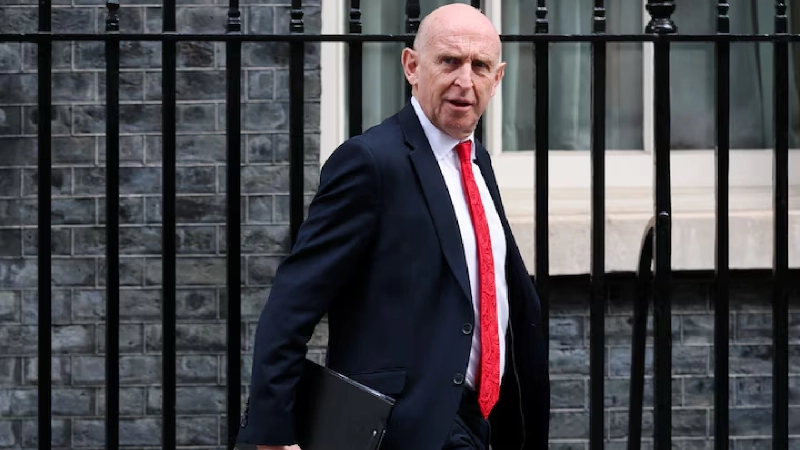
The United Kingdom has announced plans to send additional air defence systems and military personnel to the Middle East as regional tensions continue to escalate following Iranian attacks. Defence Secretary John Healey confirmed the move during a diplomatic visit to key Gulf allies, including Saudi Arabia, Qatar and Bahrain. The deployment is aimed at strengthening defensive capabilities and supporting long standing regional partnerships, as the UK responds to growing security concerns linked to instability across the Gulf.
The military support package includes advanced air defence systems and an expanded presence of British troops across multiple locations. Among the key assets being deployed is the Sky Sabre system, a ground based air defence platform designed to intercept aerial threats. In addition, the UK will extend the deployment of its Typhoon fighter jets currently stationed in Qatar as part of a joint squadron. A Lightweight Multirole Launcher system has also been positioned in Bahrain, where it is being integrated into local defence infrastructure to enhance regional security.
Officials indicated that nearly 1,000 British troops will be involved in the operation, with responsibilities ranging from installation and technical support to training and operational coordination. The deployment is intended to ensure that allied nations are better equipped to defend their airspace against potential threats. The UK government has emphasized that the mission is defensive in nature, focusing on stabilizing the region rather than escalating military engagement, while maintaining readiness to respond to evolving risks.
Speaking during the visit, Healey highlighted the importance of cooperation with Gulf partners and reaffirmed Britain’s commitment to collective security. He praised the efforts of regional allies in protecting their territories and stressed the need for coordinated action to maintain stability. The discussions also covered strategic issues such as safeguarding key shipping routes, including the Strait of Hormuz, which remains critical for global energy supplies and trade flows.
The deployment comes amid a broader geopolitical backdrop shaped by the ongoing Iran conflict, which has heightened tensions across the Middle East and impacted global markets. Governments in the region have been increasing their defence readiness as concerns grow over potential escalation. The UK’s involvement reflects its strategic interest in supporting allies and ensuring the security of vital international corridors that influence global economic stability.
Britain has historically maintained a strong military presence in the Gulf, working closely with partner nations on defence and security initiatives. The current deployment builds on existing cooperation agreements and joint operations, reinforcing the UK’s role as a key security partner in the region. Analysts note that such moves are also intended to reassure allies while demonstrating the UK’s continued commitment to international security responsibilities.
At the same time, officials have reiterated the importance of pursuing diplomatic solutions alongside military preparedness. The UK government has called for efforts to de escalate tensions and reach a resolution to the conflict, while continuing to support defensive measures on the ground. The balance between deterrence and diplomacy remains central to Britain’s approach as it navigates a complex and rapidly evolving geopolitical landscape.
As the deployment begins, attention will focus on how the additional military presence influences regional stability and whether it contributes to preventing further escalation. The situation remains fluid, with ongoing developments expected to shape both security dynamics in the Middle East and the broader international response in the coming weeks.