News
UK Should Resist Outside Interference, Ed Davey Warns as Trump’s Security Strategy Sparks Concern

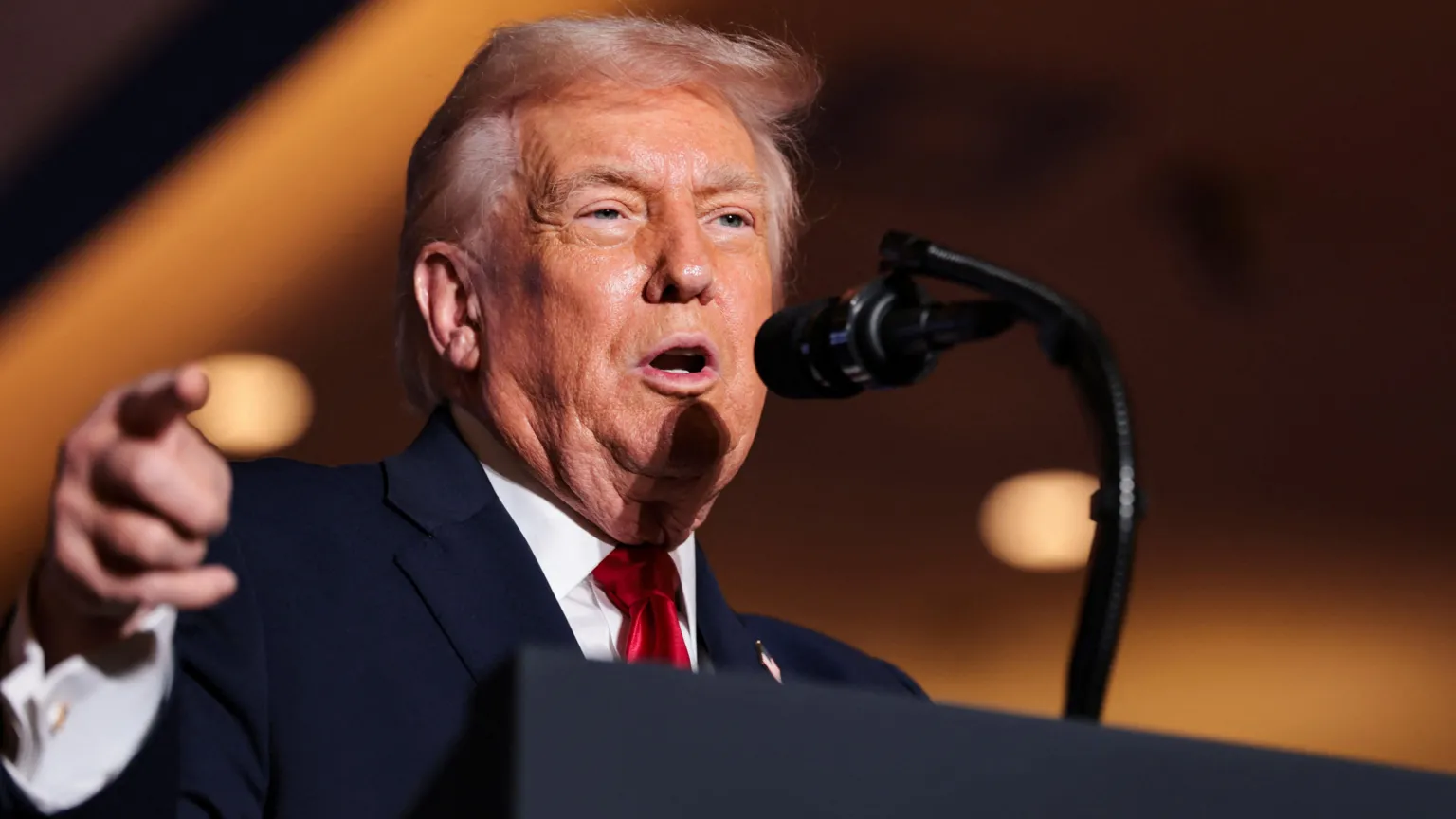
Liberal Democrat leader Sir Ed Davey has urged Prime Minister Sir Keir Starmer to push back firmly against Donald Trump following the release of the US president’s new national security strategy, which he described as deeply alarming. Davey said the government must make it clear that any attempt by Washington to influence British domestic politics would be unacceptable.
The document, published last week by the Trump administration, claims that Europe faces what it calls civilisational erasure and argues that the United States should prioritise cultivating resistance to what it portrays as Europe’s current political and cultural direction. The rhetoric has raised concerns among European leaders, who fear that such language could translate into efforts to reshape political debates or influence democratic processes across the continent.
Speaking in Parliament, Davey said the UK must be unambiguous in defending its sovereignty and democratic institutions. He urged the prime minister to confront the US president directly, warning that British democracy should never be a target for pressure from any foreign government. Davey added that political disagreements between allies are normal, but outside interference in democratic systems is not.
In his response, Starmer avoided direct criticism of Trump. Instead, he stressed that Britain would continue to uphold Europe’s longstanding values of freedom and democracy and would work with all allies in a way that protects those principles. He did not comment on whether he believed Trump’s strategy posed a specific threat to the UK but reiterated that his government would always defend democratic norms and the rule of law.
Starmer’s measured stance reflects the delicate balance facing the UK as it manages its relationship with the United States, a longstanding security and economic partner, while also responding to increasingly assertive messaging from Washington. Some analysts say the prime minister is aiming to preserve cooperation on defence, trade and intelligence sharing without escalating tensions over political rhetoric emanating from the White House.
Davey’s intervention signals growing unease among opposition parties, who fear that Trump’s worldview could embolden actors seeking to undermine Europe’s cohesion. The Liberal Democrats have long framed themselves as strong advocates of international cooperation and alignment with European institutions, and Davey’s comments reflect broader concerns that Trump’s framing of Europe as being on the wrong trajectory could deepen political divisions.
Observers note that the debate comes at a time when global political tensions are rising and democratic systems in Europe and beyond face mounting pressure from polarization, misinformation and foreign influence campaigns. With the new US national security document explicitly calling for resistance to Europe’s direction, questions have emerged about how these ideas might shape future American policy toward the region.
For now, the government insists that its commitment to democratic integrity remains firm. But as Trump’s rhetoric continues to shape political debate on both sides of the Atlantic, the UK finds itself navigating a challenging diplomatic landscape where long trusted alliances must be balanced with clear boundaries around sovereignty and democratic independence.