Business
UK Shop Prices Climb at Fastest Rate in Almost Two Years

Prices in UK shops rose at their fastest pace in nearly two years in January, adding fresh pressure on household budgets and fuelling concerns that inflation may prove more persistent than expected. Industry data showed that prices at major retailers increased sharply compared with a month earlier, driven largely by higher food costs alongside rises in furniture and health and beauty items. The jump marks a notable acceleration after a period of relative stability at the end of last year and suggests that retailers are continuing to pass on higher operating costs to consumers. Analysts said the figures underline the challenges facing shoppers at the start of the year, particularly those already struggling with rising housing and energy bills. The latest data has also reignited debate over whether inflation in the retail sector has truly peaked, as everyday essentials once again become more expensive across high streets and shopping centres.
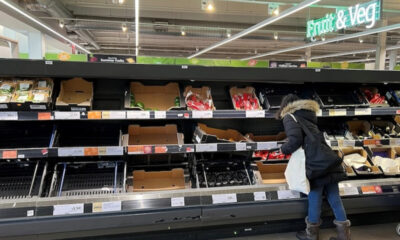
Food prices recorded the steepest increases, rising at their fastest annual pace for several months, with staples such as meat, fish and fruit among the most affected. Non food items also saw prices climb at the quickest rate since early last year, highlighting how cost pressures are spreading beyond groceries. Retailers have pointed to higher energy bills and increased employment costs as key drivers behind the latest rises. The impact of higher National Insurance contributions for employers has been particularly pronounced in sectors such as retail, which rely heavily on lower paid and part time staff. Industry leaders warned that these pressures continue to filter through supply chains, making it difficult for businesses to absorb costs without raising prices on shelves.
The stronger shop price inflation comes as policymakers closely monitor wider inflation trends ahead of key decisions on interest rates. While official consumer price data covers a broader range of goods and services, the retail figures provide an early snapshot of cost pressures facing households. The Bank of England has previously indicated it expects headline inflation to ease later in the spring, helped by changes in regulated prices and taxes, but the latest shop data complicates that outlook. Economists said persistent rises in everyday prices could influence expectations around the timing of any future rate cuts. For consumers, the figures point to a challenging start to the year, with limited signs of immediate relief at the checkout.