News
UK Retail Sales Record Sharpest Drop Since 2020 as Consumer Spending Weakens

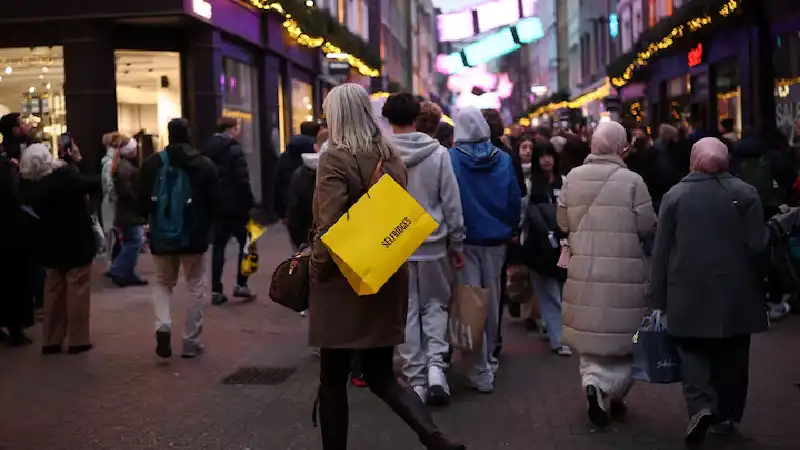
Retail sales across the United Kingdom have fallen sharply in March, marking the steepest decline since the early months of the pandemic and signaling growing pressure on household spending. A key industry survey showed that sales volumes dropped at an accelerated pace, reflecting weak consumer confidence and tightening financial conditions. The downturn comes amid rising living costs and broader economic uncertainty, with analysts warning that the retail sector is facing renewed strain as households become more cautious with their spending.
The latest data shows the retail sales balance plunging to minus 52 in March, down from minus 43 in February, indicating a significant contraction in activity. Businesses expect only a slight improvement in April, suggesting that recovery may remain limited in the near term. The survey, conducted among major retail chains, captured a period when economic pressures were intensifying, including rising fuel costs and shifting consumer behavior. These factors have combined to reduce discretionary spending, particularly in non essential categories.
Economists point to a range of underlying factors driving the decline, including persistent inflation, higher borrowing costs and subdued wage growth. As energy prices increase, households are allocating a larger share of their income to essential expenses, leaving less room for retail purchases. The situation has been further complicated by global developments, which have contributed to market volatility and added to the cost pressures faced by both businesses and consumers. Retailers are also dealing with higher operational costs, which are being passed on to customers.
Industry experts say the downturn reflects a broader slowdown across the distribution sector, with weaker demand affecting supply chains and inventory management. Many retailers have reported lower footfall and reduced online spending, indicating that consumers are cutting back across multiple channels. Businesses are responding by adjusting pricing strategies, managing stock levels more carefully and exploring cost saving measures. However, these efforts may not be enough to offset the impact of declining demand if current conditions persist.
The survey highlights the growing challenge for policymakers as they seek to support economic activity while managing inflation risks. Rising prices, particularly for fuel and essential goods, are expected to continue putting pressure on household budgets in the coming months. This dynamic creates a difficult environment for both fiscal and monetary policy, as measures to control inflation can further constrain consumer spending and economic growth.
Retailers have also called for additional support to ease the burden of rising costs, including changes to taxation and employment related expenses. Industry leaders argue that reducing operational pressures could help businesses maintain stability and protect jobs during a period of weak demand. Without such measures, there are concerns that the sector could face further contraction, with potential implications for employment and overall economic performance.
Compared with previous periods of economic stress, the current decline stands out for its speed and scale, even if it has not yet reached the extreme levels seen during lockdowns. The comparison with 2020 underscores the seriousness of the situation and highlights how quickly consumer behavior can shift in response to economic conditions. Retailers are now closely monitoring trends to determine whether the slowdown is temporary or part of a longer term adjustment in spending patterns.
As the retail sector navigates these challenges, attention is turning to upcoming economic data and policy decisions that could influence consumer confidence. The outlook remains uncertain, with businesses and investors watching closely for signs of stabilization or further decline. For now, the sharp drop in retail sales serves as a clear indicator of the pressures facing households and the broader economy.