Business
UK reopens Teesside CO2 plant with emergency funding as Middle East conflict threatens supply

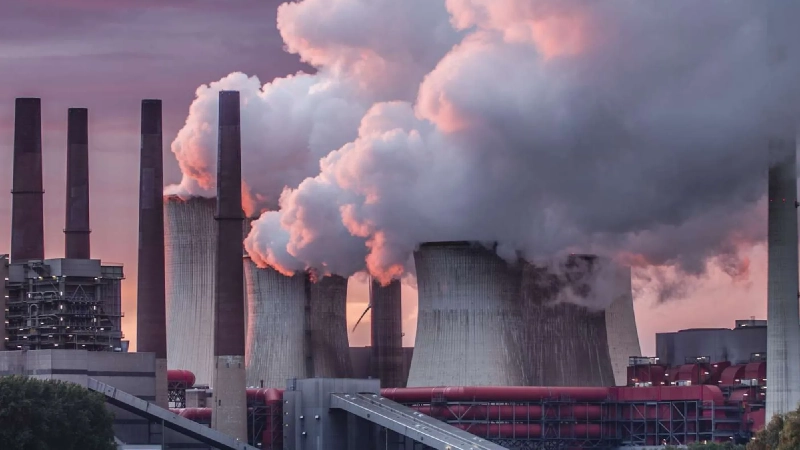
The UK government has moved to secure critical industrial supplies by reopening a carbon dioxide production facility in Teesside, amid rising concerns that the Middle East conflict could disrupt imports across Europe. Officials confirmed that up to 100 million pounds will be allocated to restart operations at the site for an initial three month period. The decision reflects growing pressure on supply chains as energy prices surge and production across the continent faces instability, raising the risk of shortages in sectors heavily dependent on carbon dioxide.
The plant, which previously ceased operations due to competitive pressures from cheaper imports, produces biogenic carbon dioxide as a byproduct of bioethanol manufacturing. The gas plays a vital role across multiple industries, including food and beverage production, healthcare and energy infrastructure. From packaging and preserving food to supporting medical procedures and cooling systems in nuclear facilities, CO2 remains an essential component of everyday economic activity, making supply continuity a priority for policymakers.
Authorities said the move was necessary after disruptions to European fertiliser production reduced the reliability of imported CO2, while higher gas prices linked to global tensions further strained supply conditions. Additional factors, including maintenance outages at several European production sites, have compounded the issue, leaving the UK increasingly exposed. By restarting domestic production, the government aims to reduce reliance on external sources and strengthen resilience against ongoing volatility in international markets.
Industry leaders have welcomed the intervention, highlighting the importance of maintaining stable CO2 output for both industrial operations and local employment. The Teesside facility has long been a key part of the region’s manufacturing base, converting large volumes of wheat into bioethanol and producing significant quantities of carbon dioxide as a secondary output. The reopening is expected to support jobs and provide short term stability while longer term solutions are assessed.
The decision underscores broader efforts to shield the UK economy from the indirect effects of geopolitical tensions, particularly those influencing energy and industrial supply chains. As uncertainty continues to affect global markets, officials are likely to monitor supply levels closely and consider further measures if disruptions persist. The restart of the plant is seen as a proactive step to ensure that critical sectors remain operational despite growing external pressures.