News
UK plans to expand regional fiscal powers as Reeves outlines economic reform strategy


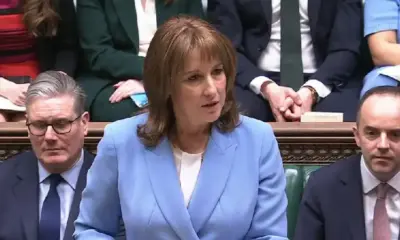
The UK government is preparing to hand greater financial control to regional authorities as part of a broader plan to strengthen economic growth outside London. Chancellor Rachel Reeves has confirmed that officials are developing proposals to allow local leaders more influence over taxation and spending decisions. The move reflects growing concern about economic imbalances across the country, with policymakers seeking to empower regions to shape their own financial strategies and reduce reliance on central government decision making.
Speaking in London’s financial district, Reeves said a detailed roadmap for fiscal devolution would be presented alongside the upcoming national budget. The plan is expected to outline how regional administrations could gain access to a share of national tax revenues, including potential involvement in income tax. While the government has not yet specified the full scope of these changes, the proposal signals a significant shift in how financial authority could be distributed across the United Kingdom in the coming years.
The initiative comes in response to longstanding disparities between London and other regions, where economic performance has lagged behind the capital for decades. Data shows that London’s contribution to the national economy has steadily increased, while many other areas have struggled to keep pace. By giving regional leaders greater control over funding and taxation, the government aims to encourage more targeted investment, improve productivity and support local economic development tailored to the needs of individual communities.
Reeves highlighted that many European economies operate with more decentralised financial systems, which have helped reduce regional inequality. Countries such as Germany and France allow local governments to play a stronger role in managing tax revenues and public spending. The UK government believes adopting elements of this model could help create a more balanced economic landscape, where growth is not concentrated in a single region but shared more evenly across cities and towns.
The proposal has already sparked debate among policymakers and economists, with questions about how far the reforms will go and how they will be implemented. Supporters argue that devolving fiscal powers could lead to more efficient decision making and better outcomes for local economies. Critics, however, warn that careful planning will be needed to ensure consistency and avoid creating gaps in public services between regions with different financial capacities.
Details of the roadmap are expected to emerge in the coming months as the government prepares its budget announcement. Officials have indicated that discussions are ongoing and that the final framework will aim to balance national oversight with increased local autonomy. As the plan develops, it is likely to become a central part of the government’s strategy to address regional inequality and reshape the country’s economic structure.