Business
UK Mortgage Approvals Jump to Three Month High as Borrowing Strength Persists

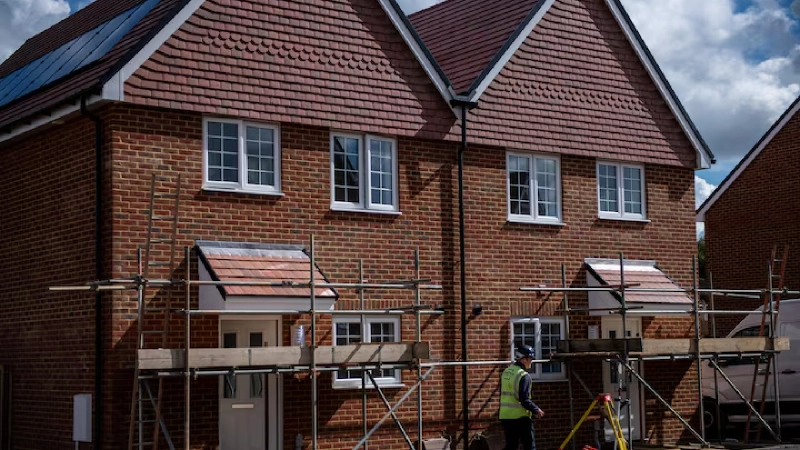
Mortgage approvals in the United Kingdom rose to their highest level in three months, signaling renewed activity in the housing market despite growing economic uncertainty. Data released by the central bank showed that lenders approved more than sixty two thousand home loans in February, exceeding market expectations and marking a steady increase from the previous month. The figures suggest that demand in the housing sector had begun to recover, even as concerns grow over rising borrowing costs and the broader economic impact of global geopolitical tensions.
The increase in approvals was accompanied by a strong rise in overall mortgage lending, which recorded its largest monthly gain in several months. Net lending climbed significantly, reflecting improved access to credit and continued interest from buyers entering the market. At the same time, consumer borrowing expanded at a faster pace, reaching its strongest growth rate in nearly two years. The rise in credit demand indicates that households are still willing to spend and borrow, even as financial conditions begin to tighten.
However, the latest data presents a mixed picture when viewed alongside more recent indicators. Surveys from property professionals have pointed to weakening demand at the start of the current conflict in the Middle East, with potential buyers becoming more cautious about making large financial commitments. Analysts suggest that the rise in mortgage approvals may partly reflect a delayed rebound from earlier slow months, rather than a sustained upward trend. The timing of the data also means it may not fully capture the impact of recent global developments.
Economists warn that the outlook for the housing market could shift quickly as borrowing costs continue to rise. The cost of mortgage financing has increased sharply in recent weeks, driven by higher yields in government bond markets and inflationary pressures linked to energy prices. Fixed rate mortgage deals have already become more expensive, which could reduce affordability for new buyers and slow demand in the coming months. Despite this, some experts believe that the inflation surge may prove temporary rather than long lasting.
The broader economic context remains a key factor shaping expectations. Growth in the money supply has edged higher, which some analysts see as a potential driver of medium term inflation. At the same time, the UK economy is navigating a complex environment marked by elevated living costs and uncertain global conditions. House price growth is now expected to moderate compared to earlier forecasts, reflecting the combined impact of higher interest rates and cautious consumer sentiment.
Financial markets have also shown signs of strain as investors respond to global risks. Rising energy prices and geopolitical tensions are influencing borrowing costs and economic confidence, creating additional challenges for policymakers. While the recent increase in mortgage approvals highlights underlying resilience in the housing sector, the sustainability of this trend remains uncertain as new pressures emerge.
Looking ahead, the housing market is likely to remain sensitive to changes in interest rates and global economic conditions. Lenders and buyers alike are expected to take a more cautious approach as uncertainty persists. The latest figures provide a snapshot of strength in the early part of the year, but future data will be closely watched to assess whether this momentum can continue in a more challenging financial environment.