News
UK Minister Warns EU Made in Europe Plan Could Disrupt Supply Chains

A senior British minister has cautioned that the European Union’s proposed Made in Europe plan risks disrupting closely integrated supply chains and increasing costs for businesses operating between the UK and EU member states.
Nick Thomas Symonds, the UK minister for EU relations, said strict domestic content requirements tied to publicly funded projects could unintentionally create new trade barriers. His comments come as the European Commission prepares to unveil legislation that would require a minimum share of products in strategic sectors backed by public money to be manufactured within Europe.
Speaking at an economic forum in Madrid, Thomas Symonds stressed that the UK and EU economies remain deeply interconnected despite Britain’s departure from the bloc. He warned that overly rigid preference rules could harm industries that depend on cross border components and services, particularly in sectors such as clean energy, advanced manufacturing and infrastructure.
He pointed to the strong economic ties between Britain and Spain, noting that the UK is one of the largest foreign investors in the Spanish economy. According to the minister, imposing strict production thresholds limited to the European Economic Area could complicate supply chains that currently operate seamlessly across borders.
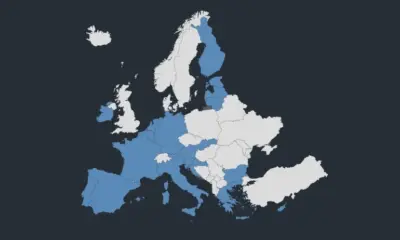
The draft proposal reportedly defines Europe as the 27 EU member states along with Iceland, Liechtenstein and Norway, excluding the United Kingdom. However, it leaves open the possibility that trusted partners could be added at a later stage. UK officials are closely monitoring how the final text is framed and whether exemptions or cooperative arrangements might be considered.
The initiative is part of a broader EU strategy aimed at strengthening domestic industries and reducing reliance on external suppliers, particularly in light of global competition from China and uncertainty around trade policy shifts in the United States. European leaders have increasingly emphasized economic resilience and strategic autonomy in response to supply disruptions experienced in recent years.
While acknowledging the EU’s objective to boost competitiveness, Thomas Symonds argued that both sides share similar economic challenges and should avoid measures that inadvertently damage mutual growth. He said creating unnecessary friction in trade flows would raise costs for businesses and consumers on both sides of the Channel.
Prime Minister Keir Starmer has signaled interest in improving economic cooperation with the EU, Britain’s largest trading partner. Since formally leaving the bloc, the UK has sought to balance regulatory independence with maintaining access to European markets. Any new EU industrial policy could test that balance, particularly if it introduces content rules that limit participation by non member states.
Business groups are expected to study the forthcoming legislation closely, assessing its potential impact on procurement contracts, manufacturing networks and long term investment decisions. The debate highlights the evolving nature of UK EU economic relations as both sides navigate post Brexit realities while responding to shifting global trade dynamics.