Politics
UK Joins International Probe Into Georgia Rights Situation

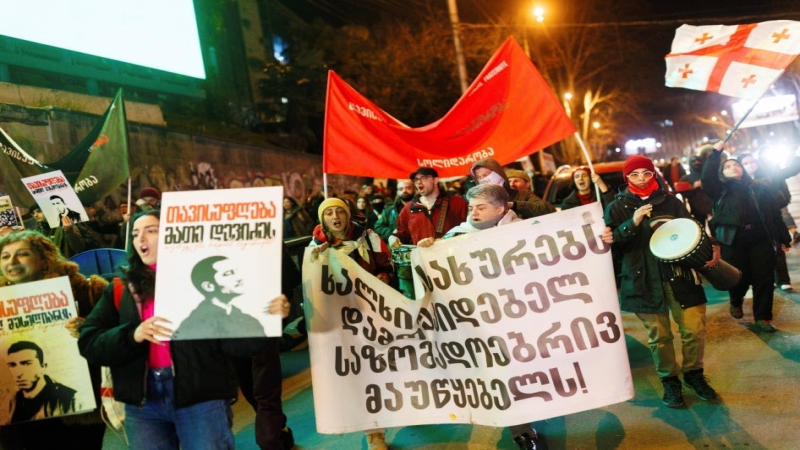
The UK and 23 other member states of the Organization for Security and Co-operation in Europe have launched an expert mission to examine growing concerns over human rights and democratic standards in Georgia. The move follows months of mounting unease among European governments about the political direction of the South Caucasus country, which holds EU candidate status. In a joint statement, participating states said they had decided to activate an OSCE mechanism designed to investigate serious and persistent human rights issues. The announcement signals a coordinated international response to what officials describe as worsening conditions, particularly relating to freedom of expression, the treatment of political opposition and restrictions placed on civil society organisations. The mission will seek detailed information from Georgian authorities and assess compliance with international commitments.
Georgia was once regarded as one of the most reform oriented and pro Western countries to emerge after the collapse of the Soviet Union. However, critics say its political trajectory has shifted sharply in recent years, especially since the start of the war in Ukraine. European officials have expressed concern about closer economic engagement with Russia alongside domestic policy changes that appear to weaken democratic checks and balances. The OSCE states said their concerns intensified after developments in late 2024, prompting formal action under the Vienna Mechanism. The statement highlights legal reforms that limit the work of non government organisations, pressure on independent media and legal action against opposition figures as key areas requiring scrutiny.
The investigation comes against the backdrop of strained relations between Georgia and the European Union. Although the country secured EU candidate status in late 2023, Brussels has since warned of serious democratic backsliding and questioned the substance of that status. Georgian authorities have abolished an anti corruption body that was established following EU recommendations, while several prominent opposition politicians have been jailed. The ruling party has also indicated it may seek to ban major opposition groups, arguing they pose a threat to constitutional order, claims rejected by critics as politically motivated. The findings of the OSCE mission are expected to influence future diplomatic engagement and could have significant implications for Georgia’s European aspirations.