News
UK Issues Removal Orders to Four Chagossians Who Landed on Remote Atoll

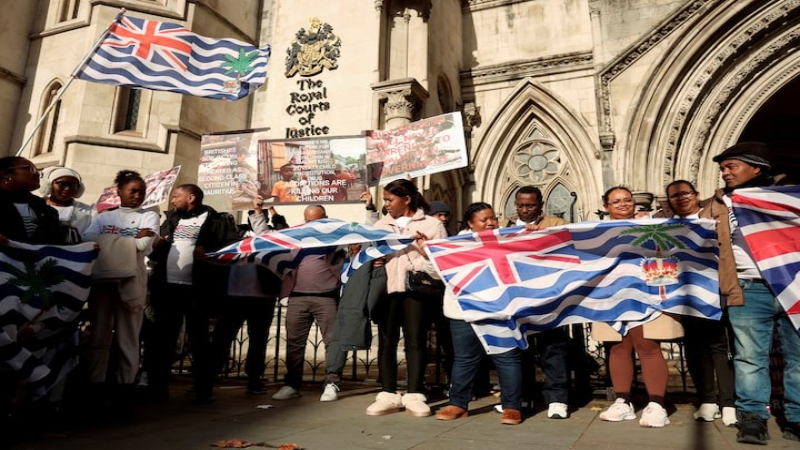
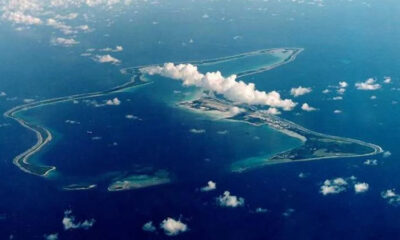
British authorities have issued removal orders to four Chagossians who recently landed on a remote atoll in the Chagos Archipelago, intensifying tensions over the future of the disputed territory. The individuals arrived earlier this week on Ile du Coin, part of the Peros Banhos atoll, in what supporters describe as an attempt to reassert their historic connection to the islands.
The British Foreign Office described the landing as unlawful and unsafe, stating that the move would not assist ongoing cooperation between the United Kingdom and Mauritius regarding future arrangements for the archipelago. Officials said the four individuals are considered unlawfully present in the British Indian Ocean Territory and must leave or face potential legal consequences.
Formal removal notices were issued by an immigration official in the territory. The documents warn that failure to comply could result in prosecution, carrying penalties that include up to three years in prison, a financial fine, or both. The orders also caution that any attempt to return after removal would constitute a criminal offence under territorial law.
The development comes against the backdrop of a 2025 agreement under which Britain agreed to transfer sovereignty of the Chagos Islands to Mauritius. Under the terms of that deal, the strategically significant US UK military base on Diego Garcia will continue operating under a long term lease arrangement. The agreement marked a major shift in the decades long dispute over the territory’s legal status.
The Chagos Archipelago has remained a sensitive issue for years. In the late 1960s and early 1970s, up to 2,000 Chagossians were removed from the islands to make way for the military base on Diego Garcia. Many were resettled in Mauritius and the United Kingdom, and campaigners have long argued for the right of return and recognition of historical injustices.
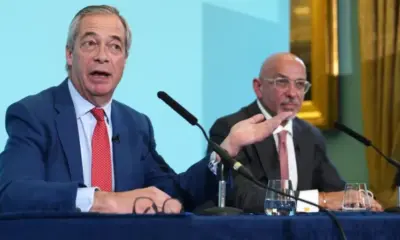
The recent landing has drawn political attention in Britain. Reform UK leader Nigel Farage stated that the four individuals are British passport holders seeking to reclaim what he described as their birthright. He said he is exploring legal avenues to support them and questioned the government’s approach to the situation.
Some Chagossian groups have criticised the sovereignty agreement with Mauritius, arguing that their interests have not been adequately represented. They have expressed concern about potential neglect and uncertainty regarding future rights of residence or heritage access. Mauritius has denied accusations of neglect and maintains that the transfer of sovereignty will ultimately resolve long standing disputes over the territory.
British officials have emphasised that discussions with Mauritius include arrangements for heritage visits and managed access to the islands. However, they have insisted that unsanctioned landings undermine structured negotiations and could complicate diplomatic progress.
The latest episode underscores the continuing complexity of the Chagos issue, where questions of sovereignty, historical displacement and strategic military interests intersect. As legal challenges and political debates continue in London, the fate of those seeking to return to the archipelago remains uncertain.