Business
UK Inflation Falls to 3.0 Percent, Boosting Expectations of Bank of England Rate Cut

Britain’s inflation rate slowed to 3.0 percent in January, marking its lowest level in nearly a year and reinforcing market expectations that the Bank of England could soon begin cutting interest rates. The latest data signals easing price pressures across key household categories, though underlying inflation remains above the central bank’s 2 percent target.
The Office for National Statistics reported that annual consumer price growth dropped from 3.4 percent in December to 3.0 percent in January. The reading matched forecasts from economists and reflects a broad-based cooling in price increases, particularly in transport and food. Britain had previously recorded the highest inflation rate among the Group of Seven nations, making the decline especially significant for policymakers and markets.
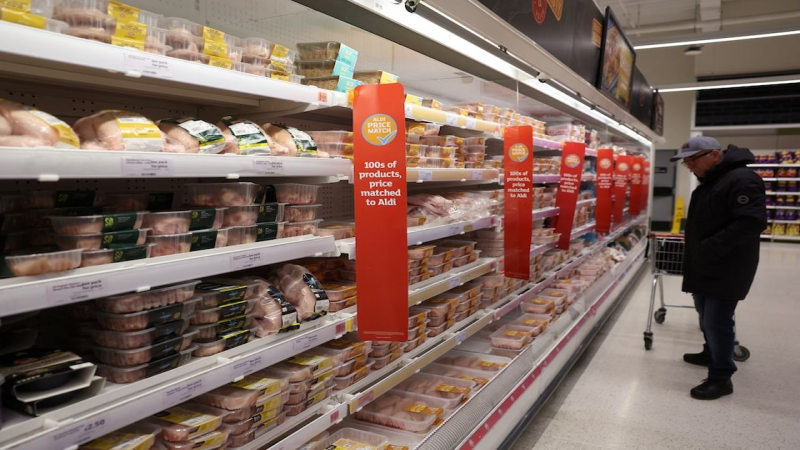
Food prices, a major driver of public concern over the cost of living, rose at their slowest pace since April 2025. Supermarket staples such as meat, dairy and packaged goods saw more moderate price increases compared with recent months. Airline fares, which had surged in December during the holiday season, fell sharply in January, contributing to the overall slowdown in consumer prices.
Core inflation, which strips out volatile elements such as energy, food, alcohol and tobacco, eased to 3.1 percent. That is the weakest level since 2021 and suggests that underlying inflationary pressures are gradually softening. However, services inflation, closely watched by the Bank of England as a measure of domestic price momentum, edged down only slightly to 4.4 percent, indicating that wage-driven costs in sectors such as hospitality and professional services remain elevated.
Financial markets reacted swiftly to the data. Interest rate futures now price in a strong probability that the Bank of England will reduce borrowing costs as early as March. Expectations for at least one additional rate cut later in the year have also strengthened. The pound was little changed against the US dollar following the release, reflecting that much of the decline had already been anticipated by investors.
For households and businesses, a potential rate cut would mark a turning point after a prolonged period of higher borrowing costs aimed at curbing inflation. Mortgage holders have faced elevated repayments, while companies have navigated tighter financing conditions. A reduction in the Bank Rate could ease pressure on both consumers and corporate investment, though policymakers are likely to remain cautious to avoid reigniting inflation.
The Bank of England has previously projected that inflation could move closer to its 2 percent target by spring. While January’s figures support that trajectory, officials will continue to assess wage growth, labour market trends and global energy prices before making a final decision on monetary policy in the coming weeks.