News
UK Government Reverses Plan to Delay May Council Elections

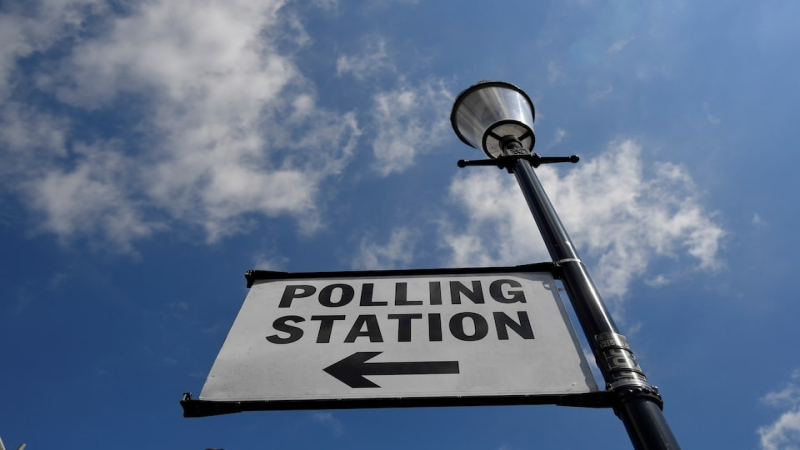
The UK government has scrapped plans to delay 30 local council elections scheduled for May, following legal advice that the proposal could face a successful court challenge. The decision marks another policy reversal for Prime Minister Keir Starmer and adds to mounting political pressure on his leadership.
Ministers had previously indicated that some council elections could be postponed to allow for upcoming changes to local government structures. The proposed delays were linked to a broader reorganisation programme aimed at streamlining council administration in parts of England. However, opponents argued that postponing the votes risked undermining democratic accountability and could be seen as politically motivated.
After reviewing legal advice, the government confirmed that the elections will now proceed as originally planned. Officials said the change in course was taken to avoid uncertainty and potential litigation that could disrupt the electoral timetable. The move ensures that voters in affected areas will go to the polls in May as expected.
The reversal comes at a sensitive time for Labour, which is bracing for a challenging set of local contests. Recent opinion polls suggest the party may face significant losses, with Nigel Farage’s Reform UK continuing to gain support in several regions. The local elections are widely viewed as an important test of public confidence in the government ahead of the next general election.
Political critics have described the episode as another example of inconsistent decision making. The government has already faced scrutiny over adjustments to economic and social policy proposals in recent months. Opponents say repeated changes of direction risk weakening perceptions of stability and leadership.
Supporters of holding the elections on schedule welcomed the decision, arguing that any delay could have set a troubling precedent. Local authorities affected by the earlier proposal had been preparing for the possibility of postponement, leading to uncertainty around campaign planning and administrative arrangements.
Government representatives said the priority is to ensure that local governance reforms continue without interfering with the democratic process. The reorganisation plans are designed to improve efficiency and reduce duplication in council services, though details vary across different areas.
The May elections will cover dozens of councils and are expected to influence political narratives across England. Local contests often reflect national sentiment, and parties use them to test campaign strategies and policy messaging. Analysts say turnout and voter behaviour could offer insights into how the political landscape is shifting, particularly in areas where smaller parties are gaining traction.
As campaigning begins in earnest, all major parties are expected to focus on issues such as public services, taxation, housing and local economic development. With the elections now confirmed, attention will turn to how the results shape internal party debates and leadership standing in the months ahead.