News
UK Government Abandons Plan to Delay May Council Elections Amid Legal Pressure


The UK government has dropped plans to delay 30 local council elections scheduled for May, following legal advice that it risked losing a court challenge. The decision adds to mounting political pressure on Prime Minister Keir Starmer, whose administration has faced criticism over a series of policy reversals since taking office.
The proposed postponements would have affected around 4.5 million voters across England. Ministers had initially allowed some councils to consider delaying elections due to planned local government reorganisation. However, opposition parties argued that any delay would undermine democratic accountability, particularly at a time when public services and local budgets remain under scrutiny.
The issue was set to be examined in court after a legal challenge was brought by Reform UK. Days before the case was due to be heard, the government confirmed it would abandon the postponement plan. Local government minister Steve Reed stated that all 30 council elections will now proceed as originally scheduled in May.
Councils play a central role in delivering essential services including housing, social care, planning, and waste collection. Political analysts noted that any delay could have had significant implications for local representation during a period of financial strain and administrative change.
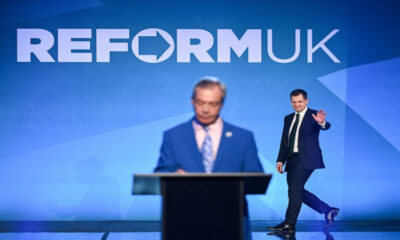
The reversal comes at a sensitive time for Starmer. Although Labour secured a strong parliamentary majority in the July 2024 general election, recent months have seen the party face growing challenges. Reform UK, led by Nigel Farage, has gained momentum in opinion polls, positioning itself as a major force in several local contests. The upcoming council elections are widely expected to test Labour’s standing among voters.
Critics argue that the episode reflects inconsistent political judgement. Opposition figures claim the attempt to delay elections signalled a lack of confidence ahead of anticipated losses in key areas. Reform UK described the government’s decision as a victory for democratic process, pointing to its legal argument that the postponements represented an overreach of executive power.
The Conservative Party also criticised the handling of the matter, stating that the government should have ensured legal clarity before announcing any changes to the election timetable. Party leaders said the reversal highlights concerns about strategic decision making at the highest level.
This development follows other recent controversies that have placed Starmer under internal and external pressure. Policy adjustments on fiscal measures and legal rulings on unrelated government decisions have contributed to an image of instability that opponents are keen to reinforce ahead of the May vote.
With council elections now confirmed, attention shifts to campaigning across England. Political parties are preparing for what is expected to be a closely watched electoral cycle, particularly in urban and suburban districts where shifting voter sentiment could reshape local political control.