Business
UK Firms Signal Softer Wage Growth as Inflation Expectations Ease, BoE Survey Finds

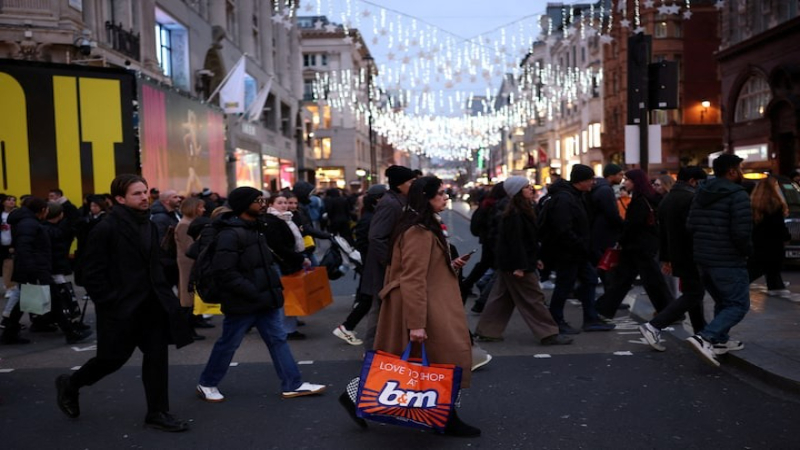
British businesses are beginning to scale back their expectations for wage growth, offering fresh evidence that pressure in the labour market may be cooling, according to the latest survey published by the Bank of England. The findings will be closely watched by policymakers as they assess whether conditions are falling into place for future interest rate cuts.
The Bank’s Monthly Decision Maker Panel survey showed that expected wage growth over the coming year slipped slightly in January, edging down to 3.6 percent on a three month moving average basis. This marked a 0.1 percentage point decline from the previous reading and represents one of the lowest levels recorded since the survey began in 2022. While the change is modest, it reinforces signs that rapid pay increases seen over the past two years may be losing momentum.
Alongside wages, firms also reported a slight easing in their expectations for price increases. Businesses now expect to raise prices by around 3.5 percent over the next 12 months, also down 0.1 percentage points from the prior survey period. Together, the softer outlook for both wages and prices suggests inflationary pressures within the domestic economy may be gradually moderating.
The survey results were released on the same day the Bank of England decided to keep its benchmark interest rate unchanged at 3.75 percent. Financial markets currently anticipate one or two quarter point rate cuts during 2026, depending on how inflation and wage trends evolve. Policymakers have repeatedly stressed that sustained progress on pay growth and price stability is essential before easing borrowing costs.
Britain’s headline inflation rate rose to 3.4 percent in December, driven in part by energy and service sector prices. However, the central bank has indicated there could be scope for lower interest rates later this year if a forecast drop in inflation from April proves durable. The latest survey data may strengthen that case, particularly if similar trends persist in coming months.
Companies’ broader inflation expectations also edged lower. Firms now forecast economy wide inflation of around 3.2 percent over the next year, down from 3.4 percent in the three months to December. This shift suggests businesses are becoming more confident that recent inflation spikes may not be sustained, potentially reducing pressure to pass higher costs on to consumers.
Employment expectations showed a small improvement compared with the previous survey. Businesses said they expect employment levels to fall by 0.2 percent over the coming year, a less severe decline than the 0.4 percent drop anticipated in December. While still pointing to modest job losses overall, the data hints at a slightly more stable outlook for the labour market.
For policymakers at the Bank of England, the survey provides an important snapshot of corporate sentiment at a critical moment for the UK economy. With household budgets still under strain and economic growth fragile, any evidence that wage and price pressures are easing could support arguments for cautious monetary easing later in the year.
However, officials are likely to remain wary of acting too quickly. The central bank has emphasised that one month of data is not enough to declare victory over inflation. As a result, upcoming surveys and inflation readings will play a decisive role in shaping the interest rate path through the rest of 2026.