Business
UK finance minister Rachel Reeves meets major banks to assess Middle East conflict impact on households

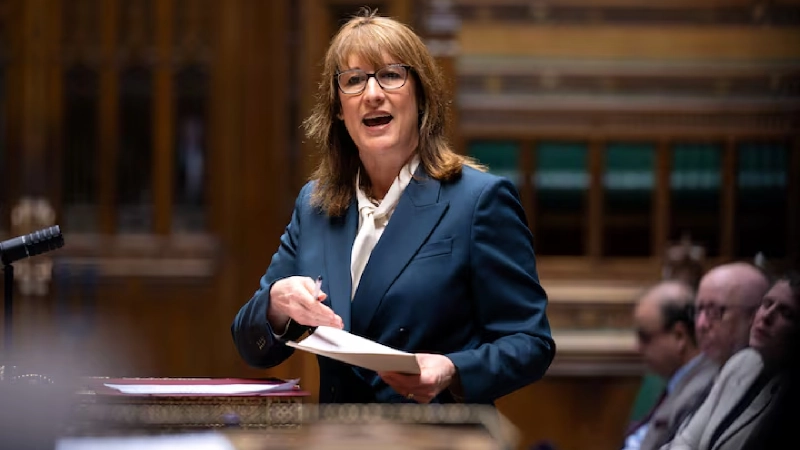
Britain’s finance minister Rachel Reeves has held urgent talks with the country’s largest banks and building societies to understand how the escalating Middle East conflict could affect households and small businesses. The discussions come as concerns grow over rising energy prices and broader economic uncertainty, with policymakers closely monitoring how geopolitical tensions are feeding into the UK economy. Reeves emphasized the importance of maintaining financial stability while ensuring borrowers receive early guidance and support as market conditions evolve in response to global pressures.
During the meeting, lenders agreed to proactively contact around 1.6 million customers whose fixed rate mortgage deals are set to expire before the end of the year. The aim is to help borrowers prepare for potential changes in monthly payments and provide clear options for managing higher costs. Authorities want households to have enough time to explore tailored support measures, reducing the risk of financial stress as interest rates remain sensitive to global developments driven by energy markets and inflation expectations.
Reeves also reinforced the government’s existing Mortgage Charter, which continues to serve as a key framework for borrower protection during periods of uncertainty. Under this arrangement, homeowners can secure a new mortgage rate up to six months in advance, giving them greater certainty over future repayments. Borrowers are also able to switch to a new deal with their current lender without undergoing a fresh affordability assessment, a move designed to simplify transitions and prevent unnecessary financial strain during volatile economic conditions.
Additional support options remain available for those facing short term pressure, including the ability to temporarily switch to interest only payments for up to six months. Importantly, engaging in these support discussions does not impact a borrower’s credit score, encouraging more households to seek help early. Financial institutions reported an increase in customer inquiries as individuals look for guidance, though overall lending activity remains stable and mortgage arrears continue to stay at relatively low levels.
Officials noted that around 86 percent of UK mortgages are currently on fixed rates, meaning most borrowers are not immediately exposed to short term fluctuations in interest rates. However, the situation is expected to evolve as more fixed deals expire over the coming months, making early engagement between lenders and customers critical. The government and financial sector are expected to continue monitoring developments closely as geopolitical risks and energy costs shape the outlook for inflation, borrowing costs and household finances.