Business
UK Economy Shows Weak Growth at End of 2025 as Iran Conflict Clouds Outlook

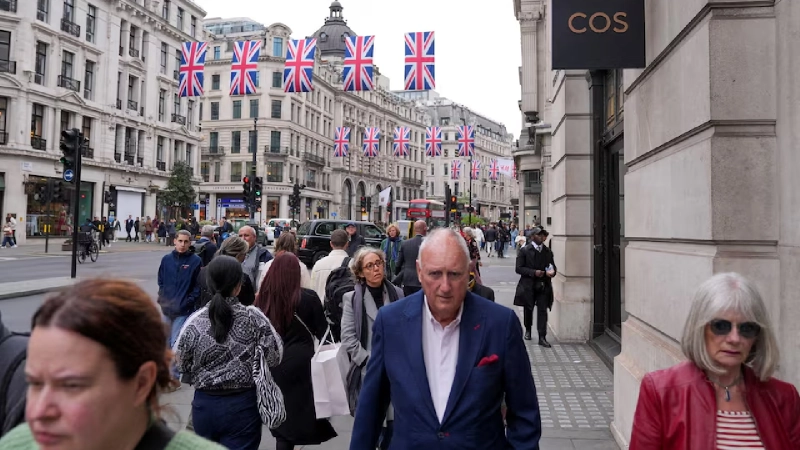
Britain’s economy recorded minimal growth in the final quarter of 2025, highlighting the fragile state of recovery as new global risks begin to emerge. Official data confirmed that gross domestic product increased by just 0.1 percent between October and December, matching earlier estimates and reflecting limited momentum heading into the new year. The weak performance comes as policymakers brace for additional pressure from rising geopolitical tensions, particularly the Iran conflict, which is expected to influence inflation, energy costs and consumer demand across the UK economy.
The latest figures indicate that economic expansion remained subdued for much of the second half of the year, with the third quarter also showing growth of only 0.1 percent. Much of the limited improvement in the final quarter was driven by public sector activity, while business investment declined, signaling caution among companies. Analysts suggest that this lack of private sector momentum raises concerns about the sustainability of growth, especially as external factors such as higher global energy prices and disrupted trade conditions begin to take effect.
Economists have pointed out that the current economic backdrop may reduce the likelihood of immediate interest rate increases by the Bank of England. While markets had previously anticipated multiple rate hikes, the combination of weak growth and uncertain demand has led many analysts to revise their expectations. The prospect of rising inflation driven by external shocks, without strong underlying growth, creates a challenging environment for policymakers attempting to balance economic stability with price control.
At the same time, there are signs that households may have some resilience to absorb future economic shocks. Data showed that the savings ratio increased to 9.9 percent, suggesting that consumers have built a financial buffer that could help offset rising living costs. Economists believe this could support spending in the months ahead, particularly if households begin to draw down savings to manage higher energy bills and other expenses linked to global market volatility.
The broader outlook for the UK economy has also been revised downward by international institutions. The Organisation for Economic Co-operation and Development recently cut its growth forecast for the UK, reflecting concerns about slowing global demand and domestic economic challenges. The downgrade underscores the scale of the task facing Prime Minister Keir Starmer and his government, who have pledged to accelerate economic growth despite mounting external pressures.
The impact of the Iran conflict is expected to play a significant role in shaping economic conditions throughout 2026. Rising oil prices could increase production and transportation costs, feeding into inflation and reducing consumer purchasing power. Businesses may also face higher operational expenses, potentially limiting investment and hiring decisions. These factors collectively contribute to a more uncertain economic environment, with growth prospects increasingly dependent on global stability and energy market developments.
Financial markets have already begun to reflect this uncertainty, with mixed performance across major indices and cautious investor sentiment. The combination of geopolitical risks and weak domestic growth has reinforced expectations that economic recovery will remain uneven. Policymakers and analysts are closely monitoring developments to assess how prolonged instability might affect inflation trends and overall economic performance in the coming quarters.
As the UK enters 2026, the focus will remain on whether the economy can regain momentum amid ongoing global challenges. The confirmed data for late 2025 provides a clear indication of underlying weakness, while future performance will depend on both domestic policy responses and external conditions. With inflation risks rising and growth remaining subdued, the path ahead for the UK economy appears increasingly complex.