Business
UK Downplays Impact of New Trump Tariff on Existing US Trade Deal

The British government has said it does not expect President Donald Trump’s newly announced 15 percent global tariff to significantly disrupt the majority of trade covered under last year’s UK United States economic agreement.
A spokesperson for Prime Minister Keir Starmer said discussions were already under way between officials in London and Washington following the latest developments. The reassurance comes after Trump unveiled fresh across the board levies in response to a US Supreme Court decision that struck down his earlier global tariff measures.
Under the bilateral deal negotiated last year, Britain had secured a lower reciprocal tariff rate of 10 percent on a range of goods. The agreement covered key sectors including steel, pharmaceuticals and automotive exports. Businesses had viewed the arrangement as a stabilising step in transatlantic trade relations after months of uncertainty.
However, Trump’s decision to introduce a new 15 percent tariff on imports from multiple countries has raised concerns among exporters. Analysts say that if the higher rate were applied broadly, it could increase costs for British firms selling into the American market, particularly in manufacturing and industrial goods.
The Prime Minister’s spokesperson emphasised that the government does not expect the ruling to impact the majority of trade flows agreed under the existing framework. He confirmed that Britain’s trade minister, Peter Kyle, had spoken with US Trade Representative Jamieson Greer to express concerns about uncertainty for businesses and to seek clarity on how the measures would be implemented.
While the government sought to project confidence, it acknowledged that further discussions would continue this week. Officials declined to rule out potential retaliatory tariffs if British industries were adversely affected, though they stressed that businesses on both sides of the Atlantic want to avoid escalation.
Think tank Global Trade Alert has suggested that Britain could be among the more exposed economies depending on how the new tariff structure is applied. Countries such as Brazil, China and India may see competitive advantages in certain sectors if tariff differentials shift trade patterns.
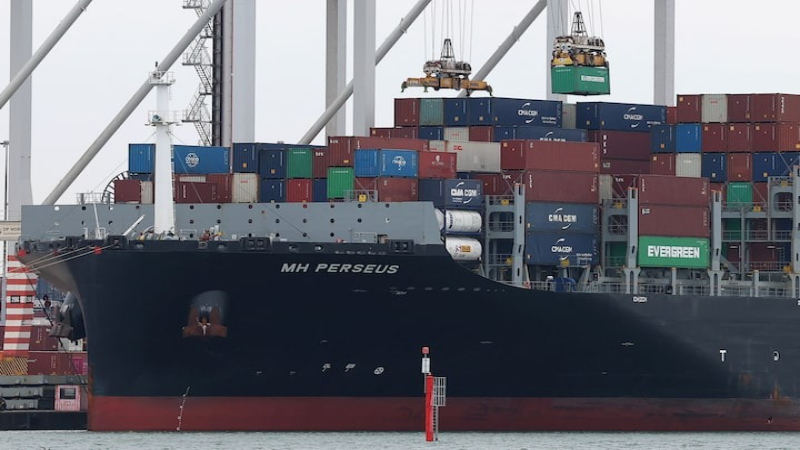
The Port of Southampton and other major British export hubs are closely watching the situation, particularly in relation to automotive shipments and specialised manufacturing goods destined for US markets. Industry representatives have warned that even short term policy uncertainty can disrupt supply chains, contract pricing and investment planning.
Trade between the UK and the United States remains one of Britain’s most important economic relationships, covering goods, services and investment. Since leaving the European Union, successive British governments have prioritised securing favourable trade terms with Washington as part of a broader strategy to diversify global partnerships.
For now, Downing Street is signalling that the core provisions of the existing deal remain intact. Much will depend on how the new US tariffs are structured in practice and whether exemptions or sector specific arrangements are clarified in the coming days.