Politics
UK Cabinet Secretary Chris Wormald Steps Down Amid Political Turmoil

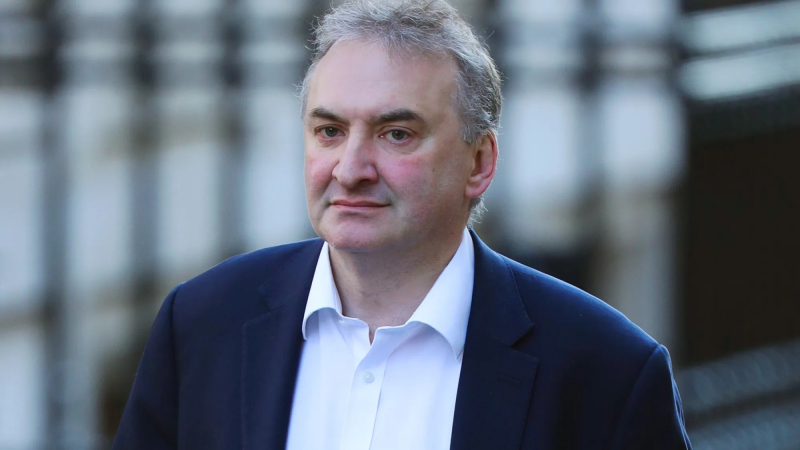
Britain’s most senior civil servant, Chris Wormald, has stepped down from his role as Cabinet Secretary following discussions with Prime Minister Keir Starmer, marking the latest high profile departure in a government facing mounting political pressure.
Starmer confirmed on Thursday that he had agreed with Wormald that he would leave his position with immediate effect. In a statement, the prime minister thanked him for a long and distinguished career in public service spanning more than 35 years and for his support over the past year. Wormald described it as an honour and a privilege to have served as a civil servant for more than three decades.
Wormald was appointed Cabinet Secretary in December 2024, taking on the most senior position in the UK civil service. The role oversees the permanent, non political government workforce and advises the prime minister and cabinet on the functioning of government. His departure comes at a sensitive time for the administration, which has been grappling with internal tensions and public criticism.
The resignation follows a series of exits from Starmer’s inner circle. Morgan McSweeney, one of the prime minister’s closest aides, and communications chief Tim Allan have also left their posts in recent days. The wave of departures has intensified scrutiny of the government’s stability and leadership direction.
Political pressure has increased after the appointment of Peter Mandelson as the United Kingdom’s ambassador to the United States. The decision triggered controversy after renewed attention on Mandelson’s past association with the late financier Jeffrey Epstein. Critics within and outside the Labour Party have questioned the judgment behind the appointment, with Labour’s leader in Scotland publicly calling on Starmer to consider his position.
Mandelson has said he does not recall receiving payments from Epstein and has not commented on allegations that he leaked documents. The controversy has overshadowed other government priorities and contributed to what some observers describe as the most significant challenge to Starmer’s authority since taking office.
Downing Street has sought to frame Wormald’s departure as part of a broader reset rather than a direct consequence of the ambassadorial row. However, the timing has fuelled speculation about internal disagreements and strategic recalibration within the administration. Government officials have indicated that a successor will be appointed in due course to ensure continuity in the civil service.
The political backdrop remains difficult for the prime minister. Opinion polls have shown Labour trailing behind Reform UK, and the government has faced criticism over policy reversals in areas such as welfare reform. Supporters argue that the administration is navigating complex economic and geopolitical pressures, while opponents say recent events reflect deeper issues in leadership and decision making.
As the government moves to stabilise its senior ranks, attention will focus on how quickly it can restore confidence among party members and the wider public. The departure of the Cabinet Secretary underscores the scale of change underway at the top of British government during a period of heightened political uncertainty.