News
Two Men Jailed in UK Over Islamic State Inspired Plot Targeting Jewish Community

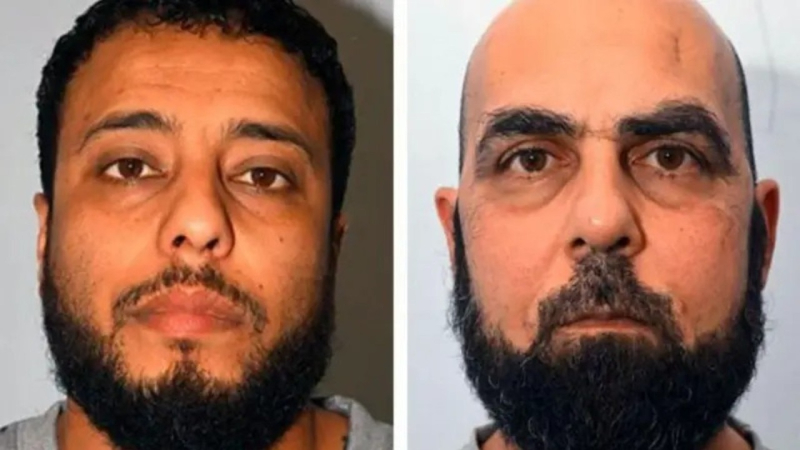
Two men have been sentenced to lengthy prison terms in the United Kingdom after being convicted of plotting an Islamic State inspired attack aimed at killing members of the Jewish community in northwest England. The case, heard at Preston Crown Court, revealed what prosecutors described as a plan that could have led to one of the deadliest extremist incidents in recent British history.
Walid Saadaoui, 38, and Amar Hussein, 52, were found guilty following a detailed trial that examined their preparations and online communications. Investigators said the pair had embraced violent extremist ideology and discussed carrying out a mass casualty attack in Manchester. According to the prosecution, their objective was to use automatic firearms to kill as many Jewish people as possible.
The trial began shortly after a separate and unrelated deadly attack on a synagogue in Manchester, heightening public concern about the safety of Jewish communities across the country. During court proceedings, prosecutors argued that the defendants had moved beyond rhetoric and were close to executing their plan. Evidence presented included digital material, extremist propaganda and conversations outlining their intentions.
Harpreet Sandhu, representing the Crown, told the court that if the attack had gone ahead it could have resulted in casualties on a scale exceeding other recent international incidents targeting Jewish communities. The court was told that the men’s radicalisation was influenced by Islamic State ideology, which promotes violence against civilians and encourages attacks in Western countries.
In sentencing, Judge Mark Wall handed Saadaoui a minimum term of 37 years in prison, while Hussein received a minimum term of 26 years. The judge said both men were very close to being ready to carry out their plan and stressed the seriousness of targeting people solely because of their faith. He described the plot as calculated and driven by extremist hatred.
The case has once again placed focus on the ongoing threat posed by homegrown extremism in the UK. Security services have repeatedly warned that individuals inspired by global terrorist organisations continue to pose a risk, even without direct operational support from abroad. British authorities have increased surveillance and preventive measures in recent years, particularly around religious institutions and community events.
Leaders within the Jewish community have welcomed the verdict, saying it demonstrates that law enforcement and intelligence agencies remain vigilant in identifying and disrupting potential attacks. Community representatives have also called for continued cooperation between authorities and local organisations to ensure safety and to counter the spread of extremist narratives online.
The convictions come amid a broader national effort to tackle radicalisation, including enhanced monitoring of online platforms and expanded counter extremism programmes. Officials have reiterated that the UK remains committed to protecting all communities from hate driven violence and that those who plan acts of terror will face the full weight of the law.