Tech
Top UK scientist warns research visa restrictions are endangering the economy

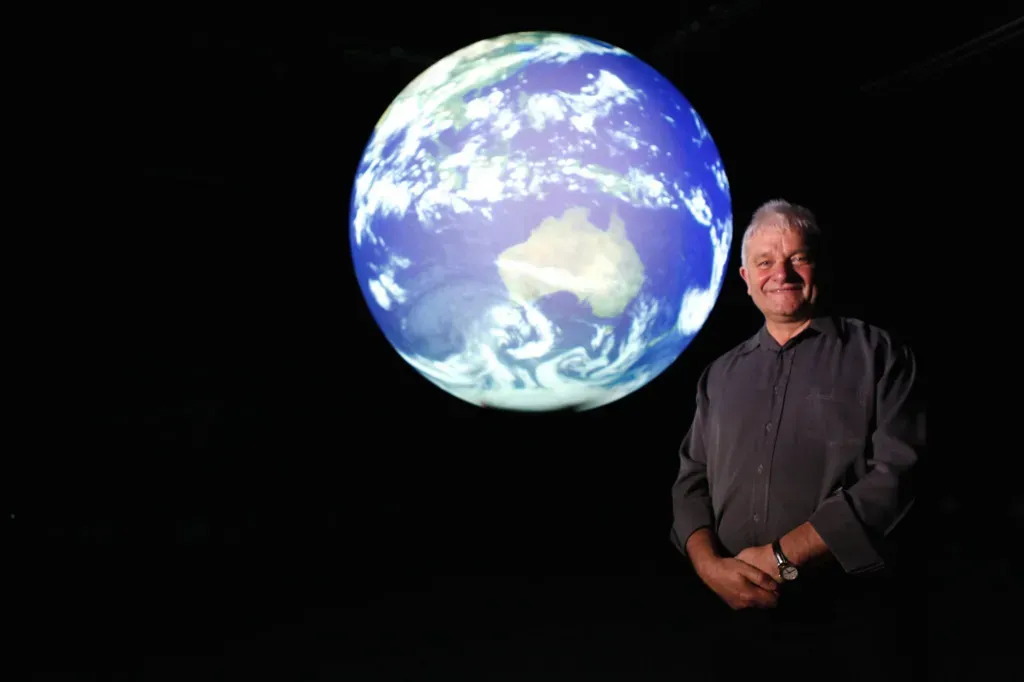
One of Britain’s most renowned scientists, Prof Sir Paul Nurse, has issued a stark warning that the UK’s research visa system is undermining the country’s scientific competitiveness and long term economic health. Speaking to BBC News, Sir Paul said the government’s high visa fees and restrictive immigration rules are deterring talented early career researchers who are increasingly choosing to work in countries with more welcoming policies.
Sir Paul, a Nobel Prize winner and one of the most influential figures in UK science, criticised the current approach as counterproductive. “Having expensive visa costs is shooting yourself in the foot,” he said. “It absolutely doesn’t help in attracting these sorts of people.” He argued that the UK’s global rivals are benefiting from Britain’s reluctance to offer affordable, accessible routes for scientists who want to continue their training or launch their careers.
The concerns come at a time when the UK economy is heavily reliant on innovation driven sectors such as biotechnology, artificial intelligence and renewable energy. These industries depend on attracting top international talent, particularly young researchers whose work fuels scientific advancement. Several universities have reported growing difficulties recruiting from overseas, with potential candidates citing visa fees and complex application processes as major deterrents.
Supporters of the current visa system argue that higher fees help to fund the NHS and reflect public unease about wider immigration levels. They say the system balances economic need with public priorities. But Sir Paul insisted that scientific visas should be treated differently, warning that applying general immigration principles to research threatens to erode the UK’s standing as a global hub for science.
He also highlighted the broader economic implications. Breakthroughs in medicine, technology and engineering often originate from labs staffed by international researchers. If Britain becomes seen as an expensive or difficult destination, he warned, the UK risks losing not only the researchers themselves but also the discoveries, patents and high growth companies they help to create.
The issue has been growing within the scientific community. University leaders have repeatedly called for lower visa charges for PhD students and early career scientists, noting that other research intensive nations such as Germany, Canada and Australia offer far cheaper and more streamlined pathways. These countries, they say, are actively courting the same people whom the UK is discouraging.
Sir Paul’s comments carry particular weight given his decades of leadership across major scientific institutions. He stressed that while funding, infrastructure and research partnerships remain vital, none of these can compensate for a system that turns away the very people who fuel scientific progress.
As the government faces renewed calls to review its policies, the debate over research visas is quickly becoming a test of Britain’s commitment to science led economic growth. For Sir Paul, the message is clear: without a more open and affordable visa system, the UK’s scientific future is at risk.