Politics
Thirteen Labour MPs Support Talks on Joining a New EU Customs Union

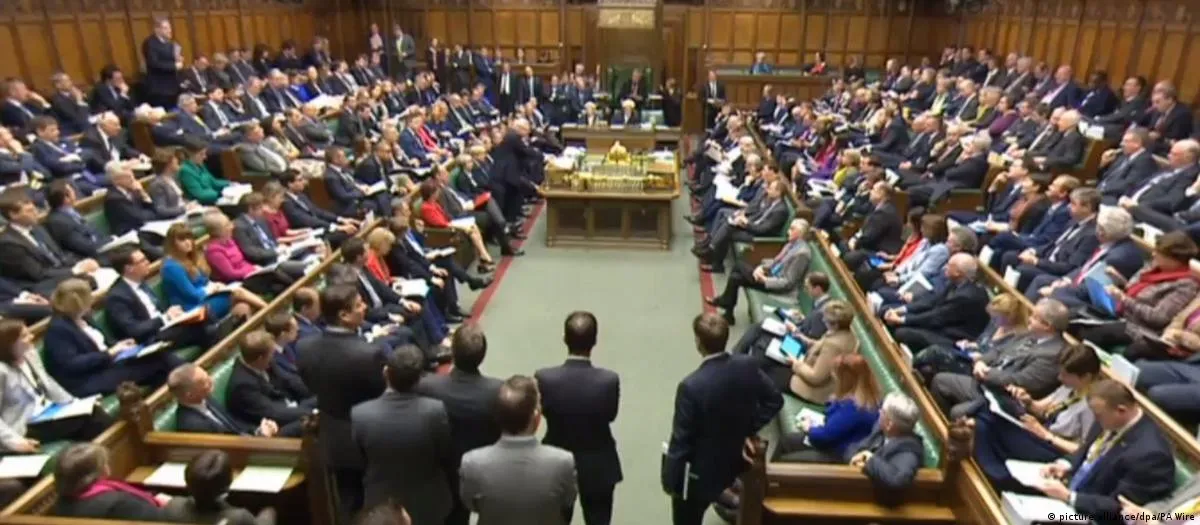
Thirteen Labour MPs have broken with their party leadership to back a Liberal Democrat bill calling for the UK government to begin negotiations on forming a new, bespoke customs union with the European Union. The vote marks a notable moment in the ongoing debate over Britain’s post Brexit trading relationship and suggests divisions within Labour’s ranks on how closely the UK should align with the EU.
Labour’s manifesto ruled out re joining the EU’s existing customs union, and Prime Minister Sir Keir Starmer has repeatedly stated that such a move is “not currently our policy.” Despite that position, the group of MPs opted to support the proposal, reflecting growing pressure from some within the party who believe deeper trade cooperation with the EU is necessary for economic stability.
A Dramatic Tie and a Deciding Vote
The vote in the House of Commons resulted in a 100 to 100 tie, forcing Deputy Speaker Caroline Nokes to cast the deciding vote. As is convention, she voted in favour of allowing the bill to proceed to further debate, emphasising that her decision did not signal support for the substance of the legislation but rather upheld the principle that parliamentary discussion should continue.
Her decision allows the bill to progress to the next stage, but its future remains uncertain. Without government backing, it is unlikely to become law, as private members’ bills rarely advance without ministerial support.
What the Bill Proposes
The Liberal Democrat proposal does not call for re entering the EU’s existing customs union. Instead, it seeks to create a bespoke arrangement tailored specifically to the UK’s needs. Supporters argue that a new customs union could ease trade friction, reduce red tape for businesses and rebuild economic links damaged since Brexit. They say that smoother trade with Europe would help exporters, particularly small businesses struggling with increased paperwork and border checks.
Labour MPs who backed the bill argued that exploring such options is essential for strengthening the UK economy. Critics within the party, however, worry that reopening discussions on customs alignment risks undermining Labour’s carefully balanced post Brexit stance and could invite political backlash from voters who want Brexit to remain settled.
Government Position Remains Firm
Prime Minister Starmer has made clear that while he seeks a closer working relationship with the EU, he does not intend to reverse Brexit or re establish formal structures like the customs union. The government says it will pursue targeted agreements instead, focusing on practical cooperation in areas such as security, science and trade facilitation.
Downing Street is unlikely to support the bill, meaning its chances of becoming law remain slim. However, the vote itself highlights ongoing debates within Westminster about the best path forward for improving UK EU trade relations.
A Sign of Future Fractures
The rebellion by thirteen Labour MPs is small but symbolically significant. It shows that while Labour currently maintains discipline under Starmer’s leadership, questions about Britain’s long term relationship with Europe continue to stir internal tension. As economic pressures persist and businesses call for reduced trade barriers, similar debates are likely to re emerge.
For now, the bill advances to its next stage, providing Parliament with another opportunity to debate one of the most divisive issues in modern British politics. Whether it gains momentum or stalls, the vote underscores how Brexit’s legacy continues to shape political choices in Westminster.