Business
The Quiet Rise of British Green Industries and Their Economic Impact

Across the United Kingdom, green industries are expanding with remarkable momentum, even if the growth is not always headline grabbing. Advances in renewable energy, sustainable manufacturing, low carbon materials and environmental innovation are steadily transforming the national economy. This sector is now one of the fastest growing areas of investment and employment, helping the country modernise while meeting long term climate goals. The rise of green industries signals a shift in how the UK generates value, creates jobs and positions itself in global markets.
Renewable energy strengthens national resilience
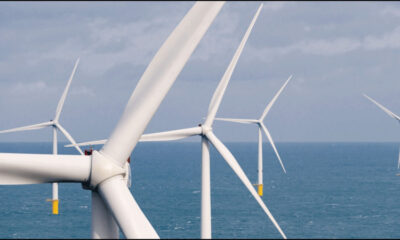
The continued expansion of renewable energy is at the heart of Britain’s green transformation. Offshore wind projects, solar farms and emerging hydrogen initiatives are creating a more dependable and diverse energy system. These developments help reduce reliance on imported fuel and shield the economy from global market fluctuations. The renewable sector has also become a major source of skilled employment in coastal regions, supporting engineers, technicians and research teams. As more clean energy infrastructure comes online, the UK gains both environmental and economic stability.
Green manufacturing unlocks new commercial opportunities
British manufacturers are increasingly adopting low carbon processes to meet global expectations for clean production. Companies in automotive, aviation, textiles and construction are investing in energy efficient equipment, recycled materials and innovative waste reduction methods. This shift is not only driven by regulation but by growing international demand for sustainable products. Businesses that can certify their low carbon footprint are finding new export markets and attracting partnerships with global brands. The rise of green manufacturing gives the UK a competitive edge in industries undergoing rapid environmental transition.
Investment flows toward climate focused innovation
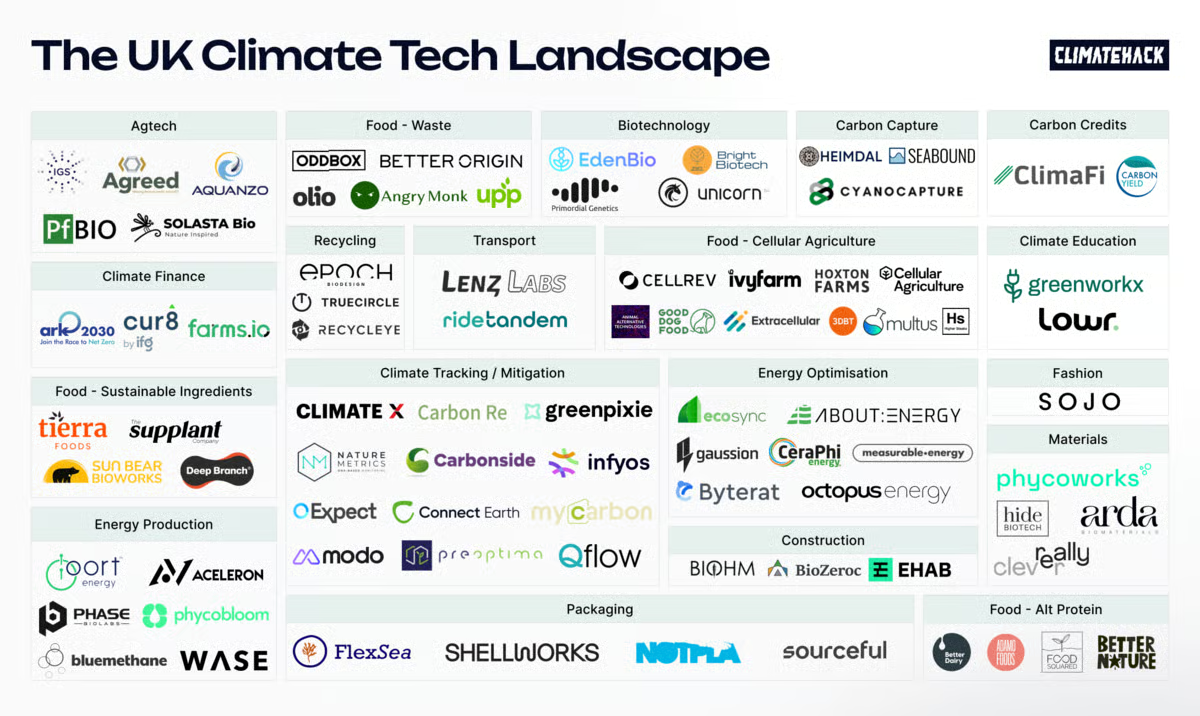
Venture capital and government funding are moving rapidly into climate technology, supporting startups that develop everything from advanced battery systems to carbon capture methods and smart grid software. These companies form an innovation ecosystem that strengthens Britain’s reputation as a leader in scientific problem solving. Universities and research institutes play a key role by providing the technical foundation for breakthroughs. As funding continues to expand, green industries attract top talent and generate high value intellectual property that contributes to long term economic growth.
Communities benefit from sustainability focused jobs
One of the most significant impacts of the green economy is its ability to support local communities. Renewable energy projects bring employment to rural and coastal areas, while urban sustainability initiatives create roles in planning, engineering and environmental analysis. Repair services, recycling centres and energy efficiency programmes are also growing across cities. This broad distribution of jobs strengthens regional economies and reduces economic inequality by offering new career pathways in future focused industries. The shift toward sustainability is no longer limited to environmental advocates but is becoming a mainstream employment driver.
A pathway toward a cleaner and more competitive economy
The quiet rise of British green industries reflects a larger national transition toward a resilient and forward looking economy. As global markets prioritise climate friendly solutions, countries with strong green sectors will gain strategic advantages. The UK is positioning itself to be part of that future by combining innovation, investment and sustainability in a way that supports both economic growth and environmental responsibility. The expansion of these industries shows that the path to a cleaner economy also leads to stronger competitiveness and long term national prosperity.