Entertainment
The Oscar tipped Shakespeare drama is moving but ‘manipulative’

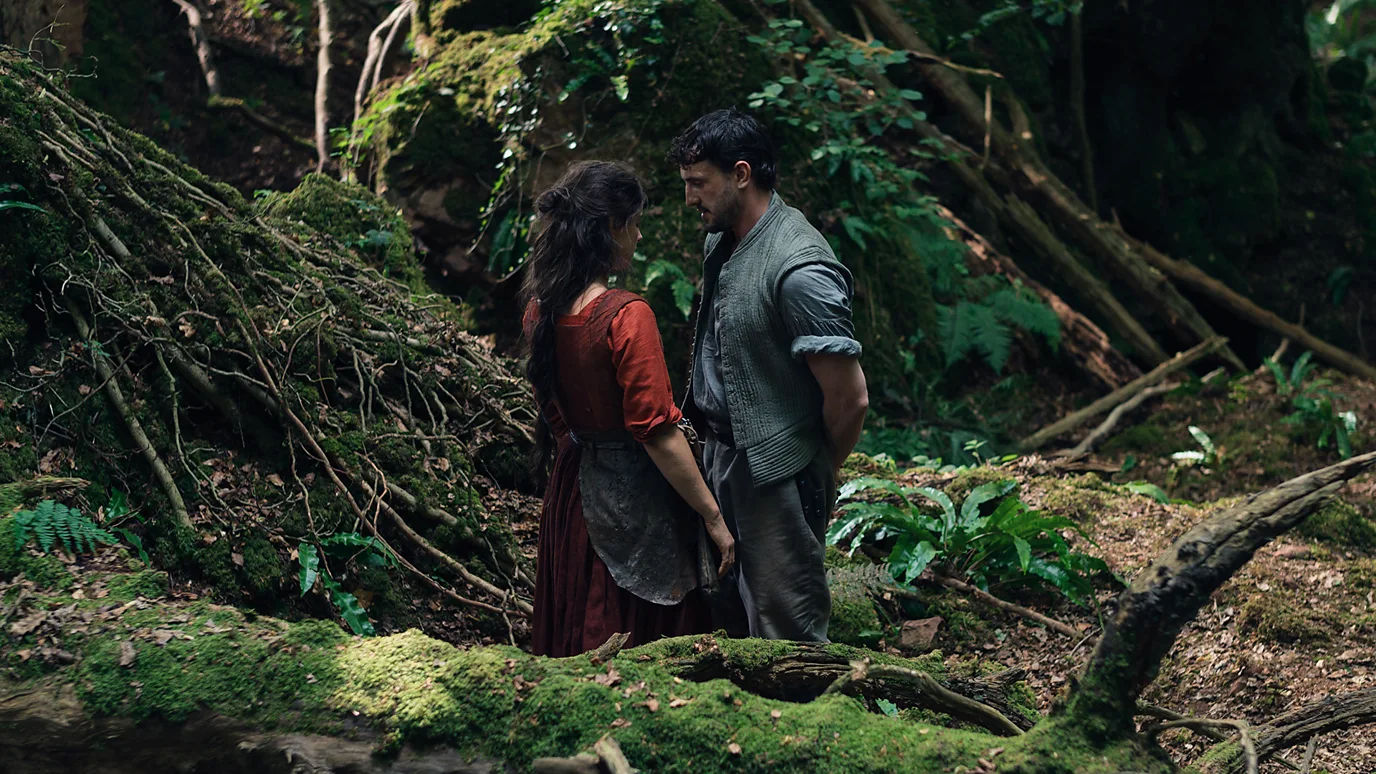
The new Shakespeare inspired drama starring Paul Mescal and Jessie Buckley is already being hailed as one of the standout films of the year, yet not all critics are convinced. Some praise its emotional power, while others argue that the film leans too heavily on sentiment and lacks the subtlety of its source material. One reviewer went so far as to call it exploitative, saying it pulls at the heartstrings and aims for tears with almost ruthless precision. The film’s lush production and acclaimed cast make it an awards season favourite, but they also raise expectations that not everyone feels it meets.
A film built on extraordinary creative talent
Hamnet arrives with an impressive pedigree. It is adapted from Maggie O’Farrell’s bestselling novel, a book celebrated for its poetic language and inventive structure. The film is co written and directed by Chloé Zhao, who previously won an Oscar for Nomadland, and O’Farrell herself contributes to the screenplay. In front of the camera, the film features two of Ireland’s most magnetic performers, Jessie Buckley and Paul Mescal. Their pairing alone has generated anticipation among audiences who admire their emotional range and captivating screen presence. With this level of talent involved, it is little surprise that the film has already been tipped for major awards.
A story rooted in personal tragedy
The central idea behind both the novel and the film is compelling. It imagines how the death of William Shakespeare’s 11 year old son, Hamnet, may have influenced the creation of Hamlet, widely considered the greatest play in the English language. The film opens with a reminder that in Elizabethan England the names Hamnet and Hamlet were used interchangeably, hinting at the intimate connection between Shakespeare’s grief and his writing. This premise allows the film to explore themes of loss, creativity and the often unseen emotional life behind great art.
What the adaptation gains and loses
Despite its strong foundation, critics argue that the film sacrifices some of the magic that made the novel so distinctive. O’Farrell’s book uses a time shifting structure and rich, rhythmic prose that immerses readers in the world of the characters. It offers intimate inner monologues and intricately observed details that deepen the emotional impact. Zhao’s film, in contrast, strips away much of this complexity in favour of a more straightforward and visually driven narrative. While the performances are powerful, some reviewers feel that the story becomes too conventional, resembling other period dramas rather than standing apart.
Emotional intensity that feels overpowering to some
Viewers who have embraced the film praise its aching performances and potent sense of grief, noting how deeply moving certain scenes can be. Others believe the emotional approach goes too far. They suggest the film constantly pushes for dramatic effect, guiding audiences toward specific emotional responses rather than allowing them to arise naturally. This perceived lack of restraint has led some critics to describe the film as manipulative. For those who value subtle emotional storytelling, the film’s intensity may feel heavy handed.
Still destined for awards season attention
Despite these criticisms, Hamnet continues to draw admiration and awards buzz. Many viewers are captivated by the chemistry between Mescal and Buckley, the atmospheric cinematography and the sweeping musical score. The film’s ambition and its exploration of Shakespeare’s family life give it a gravitas that resonates with audiences who enjoy literary adaptations. Even those who find flaws acknowledge that the film offers moments of genuine beauty and emotional power.
A beautiful film that leaves a divided impression
Hamnet is poised to remain one of the most talked about films of the year, not only for its artistic strengths but also for the debate it has sparked. Some believe it fulfils the promise of its extraordinary creative team, while others feel it falls short of the novel’s brilliance and relies too heavily on emotional manipulation. What is certain is that the film invites discussion about how stories of the past are told, and how much artistic licence should shape interpretations of history’s most famous figures.