Fashion
The Ever Changing Language of Fashion and Why It Still Shapes How We Express Ourselves

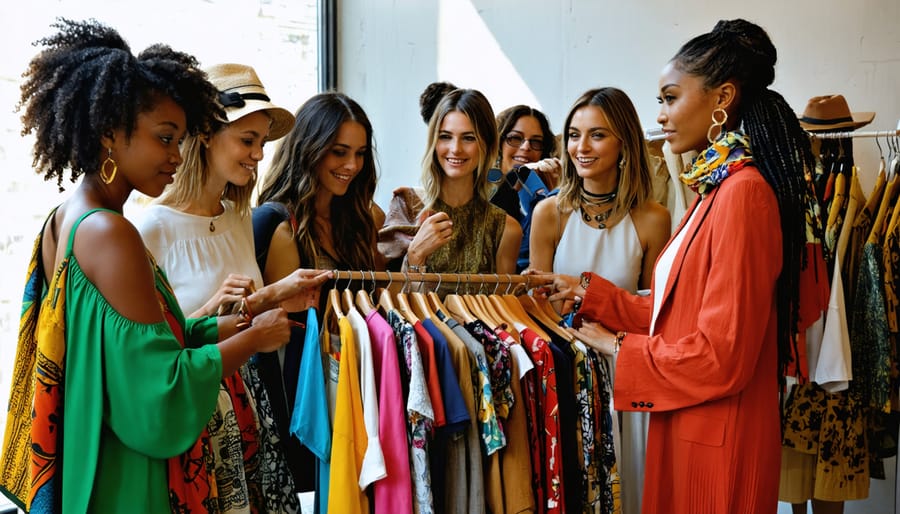
Fashion is often dismissed as surface-level level but in reality, it has always been one of the most meaningful ways people communicate who they are. Every outfit carries a story whether it reflects culture, identity, personality, or the values of its time. What began centuries ago as practical dressing gradually expanded into a powerful form of expression used across the world. Today, fashion is not only about what hangs in our wardrobe but the intention and emotion behind each choice.
A journey through time and style
Fashion has evolved alongside human history and has always mirrored the priorities and beliefs of each era. In ancient societies, clothing signaled far more than comfort. Egyptian linen robes represented purity and status. Roman tunics marked citizenship and rank, while silk garments in ancient China showcased dynastic pride and Confucian ideals. As Europe moved through the Renaissance and Victorian eras, clothing took on even more elaborate forms. Layers of embroidery and structured silhouettes helped signal power, wealth, and social position.
The twentieth century transformed fashion in a new way by placing creativity and personal freedom at the forefront. Coco Chanel introduced simple elegant clothing that allowed women to move freely. The 1960s challenged every rule with bold colors and experimental shapes. Later decades celebrated minimalism and then a burst of pop culture influences. This period marked the moment when fashion shifted from belonging to the elite to becoming a shared cultural playground.
The modern era where creativity has no limits
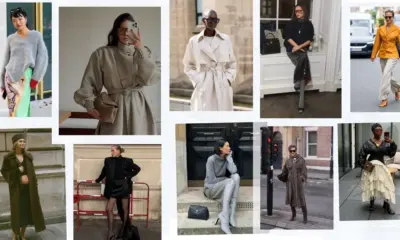
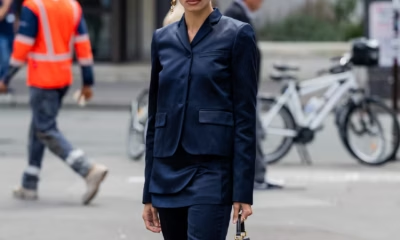
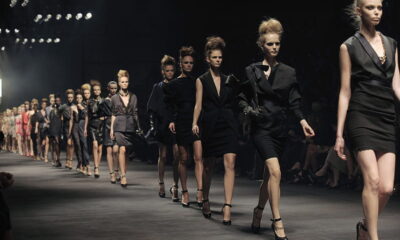
Today fashion moves faster than ever and its boundaries have almost disappeared. People are no longer restricted by gender norms cultural expectations or regional trends. Streetwear sits beside haute couture on runways and luxury brands collaborate with musicians and athletes who influence youth style globally. Digital fashion is becoming increasingly common as designers explore 3D shows virtual garments and AI inspired collections that exist entirely online. Social media platforms amplify these trends and turn everyday users into global tastemakers.
Fashion as identity heritage and personal truth
Clothing often becomes the first introduction to who we are. Many people use fashion to embrace their cultural backgrounds by wearing traditional fabrics or reimagining historical garments in modern ways. This blending of heritage and contemporary style adds depth and diversity to fashion conversations around the world. On a more personal level outfits can signal mood transformation or growth. Someone may choose soft colors for calm confidence or bold prints to communicate strength. Accessories hairstyles and even favorite shoes become part of a person’s unfolding narrative.
A shift toward mindful fashion
In recent years the conversation around fashion has moved beyond creativity to include responsibility. Consumers now expect brands to consider environmental impact ethical production and material sustainability. Many designers are committing to organic fabrics recycled materials and low waste techniques. The rise of slow fashion encourages people to invest in pieces that last rather than treating clothing as disposable. At the same time vintage and second hand shopping have entered the mainstream giving new life to clothing that already carries its own story.
Influence that shapes culture and society
Fashion icons have always had the power to transform the way people dress. Figures like Audrey Hepburn James Dean and Princess Diana shaped elegance rebellion and modern royalty through their personal style. Today’s influencers such as Rihanna Zendaya and Harry Styles challenge conventions by embracing versatility and fluidity. Online creators contribute to global micro trends and street photographers capture inspiration from people walking through everyday life. Beyond aesthetics fashion also impacts society as a tool for protest empowerment and cultural preservation. Movements throughout history have used clothing to communicate resistance and unity while the fashion industry continues to drive economic growth and support artisans around the world.
Creating a style that reflects who you are
Instead of chasing every trend many people are choosing to build a personal philosophy around their wardrobe. It begins by learning what colors shapes and fabrics feel most like home. Curating a thoughtful mix of timeless pieces and seasonal updates helps create a style that is both practical and expressive. A mindful closet values quality emotional clarity and intentional choices allowing fashion to be a source of confidence rather than pressure.