Business
Tesla Moves Into UK Power Market With Plan to Supply Electricity to Homes

Tesla is preparing to enter Britain’s household electricity market after receiving regulatory approval to operate as an energy supplier. The move allows the company to sell electricity directly to homes across the United Kingdom, creating a new competitor in a market already facing rising consumer concerns over energy costs. The licence was granted by the national energy regulator following an application process that began last year. Tesla’s expansion into energy supply reflects the company’s broader strategy to grow beyond electric vehicles and strengthen its position in renewable energy and battery storage.
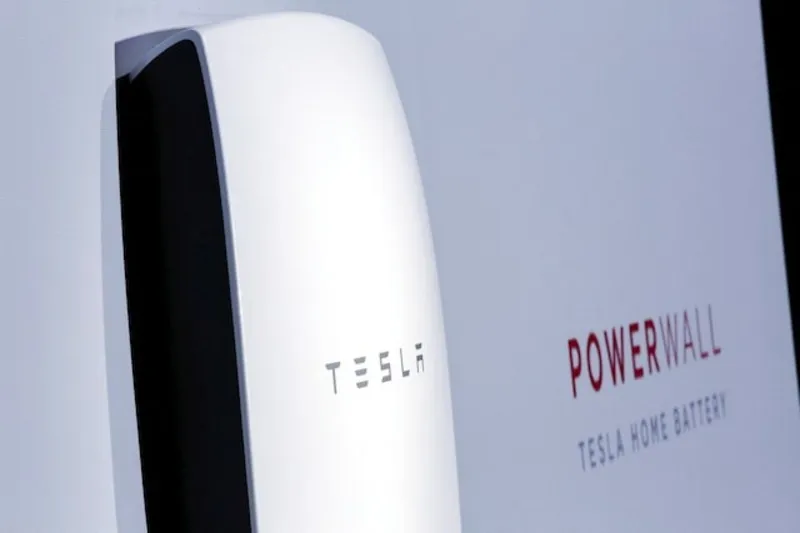
The licence allows Tesla Energy Ventures to supply electricity directly to British households while integrating its existing solar power and battery technologies. The company is expected to focus on combining residential solar generation with home battery systems that store electricity for later use. This model allows homeowners to generate power through solar panels and store excess energy using battery units such as Tesla’s Powerwall. Surplus electricity can then be sold back into the national grid, creating a more flexible energy system that reduces dependence on traditional power suppliers.
Tesla’s entry into the UK market could reshape competition within the energy sector, which is currently dominated by established suppliers including British Gas, EDF and Octopus Energy. Analysts say Tesla’s expertise in energy storage and smart grid technologies may allow it to introduce new pricing models and energy management tools for households. The company already operates electricity generation infrastructure in Britain through another subsidiary, meaning it has experience navigating the regulatory framework and connecting renewable energy systems to the national grid.
The expansion comes at a time when energy affordability has become a major issue for British households. Rising wholesale gas prices linked to geopolitical tensions have increased concerns about future energy bills. Although regulated price caps currently limit the immediate impact of market volatility, analysts warn that prolonged increases in global energy prices could push household bills higher later in the year. The arrival of new suppliers such as Tesla could introduce alternative energy options for consumers seeking greater control over electricity costs and consumption.
Tesla’s broader energy strategy focuses on combining renewable generation with advanced battery storage systems to stabilize electricity supply and reduce reliance on fossil fuels. The company first introduced its residential battery technology more than a decade ago as part of its vision for distributed energy networks. These systems allow homes to store electricity during periods of low demand and use it during peak hours, helping balance supply across the grid. As renewable energy becomes more common, battery storage is increasingly seen as a critical component of modern electricity systems.
Industry observers say Tesla’s technology driven approach may appeal to households looking for smarter ways to manage their energy use. By linking solar panels, home batteries and digital energy platforms, consumers could monitor consumption patterns and automatically adjust how electricity is stored or sold. Such systems can also help stabilize national power networks during periods of high demand by feeding stored electricity back into the grid. This type of decentralized energy management is expected to play a larger role as countries transition toward cleaner energy sources.
Despite the new opportunity in the energy sector, Tesla faces challenges in other parts of the British market. Sales of its electric vehicles have recently declined as competition from lower priced manufacturers intensifies. Several Chinese electric car brands have expanded rapidly across Europe, offering more affordable models that appeal to cost conscious buyers. Tesla’s push into energy supply may therefore represent an effort to diversify its presence in the UK and strengthen its broader clean energy ecosystem beyond the automotive industry.
Tesla’s entry into Britain’s electricity market signals a shift toward technology driven competition within the energy sector. As households search for ways to manage rising costs and reduce environmental impact, companies that combine renewable power generation with battery storage and digital platforms may gain an advantage. Regulators and energy analysts will be watching closely to see how Tesla’s new role as a supplier influences the evolving structure of the UK electricity market.