Business
Sterling surges as markets react to pause in Iran strike plans and easing energy fears


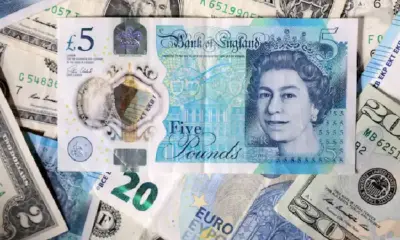
The British pound staged a sharp recovery against the dollar after renewed optimism swept financial markets following a pause in planned military action involving Iran. Sterling climbed around one percent, reversing earlier losses, as investors responded to signs of de escalation in geopolitical tensions. The rebound came after days of volatility driven by fears of escalating conflict that had weakened the currency and pushed investors toward safer assets. Market sentiment improved quickly, lifting equities and easing pressure on the UK’s financial system, which had been under strain from rising energy costs and uncertainty.
The turnaround was closely linked to shifting expectations in global markets, where investors moved away from defensive positioning and back into risk assets. Earlier concerns had triggered a surge in demand for the dollar, causing sterling to weaken. However, the latest developments reduced immediate fears of supply disruptions in global energy markets, leading to a drop in oil prices. This shift helped stabilize the outlook for the UK economy, which remains highly sensitive to fluctuations in imported energy costs. Analysts noted that even a temporary pause in tensions can significantly influence currency movements.
Financial markets reflected the change in mood, with stock indices recovering from earlier declines and government bond yields easing after recent spikes. UK borrowing costs, which had surged to levels not seen in years, showed signs of retreat as investor confidence improved. Market expectations around interest rates also shifted, with traders scaling back earlier predictions of aggressive rate hikes. The Bank of England had been under pressure to respond to inflation risks, but the easing in energy prices has provided some short term relief for policymakers navigating a complex economic environment.
Market strategists cautioned that while the rebound offers some reassurance, uncertainty remains high and conditions could change rapidly. Analysts highlighted that investor sentiment is currently being driven by geopolitical developments, making markets highly reactive to new information. Any reversal in diplomatic progress or renewed escalation could quickly undo recent gains. Experts also pointed out that energy prices, although lower than recent peaks, remain significantly elevated compared to pre conflict levels, continuing to pose a risk to inflation and economic growth.
Currency movements were also supported by relative shifts in other major currencies, with the euro weakening slightly against the pound as investors reassessed regional economic risks. The broader market reaction suggests that traders are closely monitoring developments in the Middle East and adjusting positions accordingly. While the immediate response has been positive for sterling, financial analysts emphasize that long term stability will depend on sustained diplomatic progress and clarity around global energy supply conditions.
The latest developments highlight the fragile balance within global markets, where geopolitical signals can trigger rapid swings in investor behavior. For the UK, the pound’s recovery provides a temporary boost, but underlying economic challenges remain unresolved. Policymakers continue to monitor the situation closely, with attention focused on inflation trends, interest rate expectations, and the overall resilience of the economy in an uncertain global environment.