Business
Sterling Drops to Multi Week Low as Iran War Pressures UK Economy

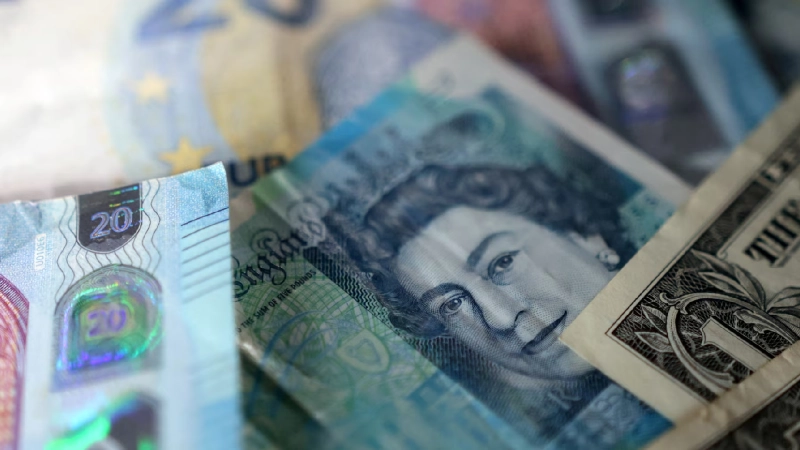
The British pound weakened sharply on Monday, slipping to its lowest level in more than three weeks against the euro while extending losses against the US dollar. The decline reflects growing investor concern over the economic impact of the ongoing Iran war, which has triggered volatility across global markets. Currency traders are increasingly cautious as rising energy costs and geopolitical uncertainty weigh on the outlook for the UK economy, pushing sterling lower even as it had previously shown resilience earlier in the conflict.
The pound fell modestly against the dollar, marking its fifth consecutive daily decline, while the euro gained ground to reach levels not seen since early March. Despite this recent drop, sterling has remained one of the better performing currencies against the dollar since the conflict began. However, analysts warn that the UK’s structural vulnerabilities are becoming more visible. Heavy reliance on imported energy, particularly natural gas, combined with persistent inflation and fiscal pressures, has increased the currency’s sensitivity to global shocks.
Market data highlights deeper financial strain within the UK economy. Government bond yields have risen significantly, with 10 year gilts recently approaching levels last seen during the global financial crisis. Although yields stabilized slightly, the broader trend has unsettled investors. Some pension funds have reportedly been required to increase collateral against hedging positions following volatility in bond markets. While the situation remains under control compared to past crises, it has reinforced concerns about financial stability in a challenging macroeconomic environment.
Economic indicators have also added to the cautious sentiment. Recent data shows that business activity in the UK has slowed to its weakest pace in six months, while manufacturing input costs have surged at their fastest rate in decades. Retail sales have declined, signaling pressure on consumer spending as households face rising living costs. These developments suggest that the economy is struggling to maintain momentum, raising questions about how effectively it can absorb further shocks from global energy disruptions linked to the conflict.
Political factors are also shaping market expectations as the UK approaches local elections in May. Investors are closely watching the policy direction of the current government, with some analysts warning that fiscal expansion could increase in response to economic pressures. This possibility has added another layer of uncertainty, as markets attempt to assess how future policy decisions might influence inflation, borrowing costs and overall economic stability. The combination of political and economic risks is contributing to a more fragile outlook for the pound.
Meanwhile, expectations around central bank policy are influencing currency movements. Traders anticipate that the European Central Bank may begin raising interest rates sooner than expected, while the Bank of England is likely to delay rate cuts as it navigates inflation challenges. This divergence in policy outlook has supported the euro against sterling. At the same time, the US dollar has remained strong, supported by safe haven demand and global uncertainty, further adding pressure on the pound in international markets.
The broader global context continues to play a decisive role in shaping currency trends. The Iran war has disrupted energy supply chains and increased volatility across commodities and financial assets. As investors reassess risk, currencies tied to economies with higher exposure to energy imports have come under pressure. Sterling’s recent slide reflects these dynamics, with markets likely to remain sensitive to any developments that could influence energy prices, inflation trends or geopolitical stability in the weeks ahead.