News
Starmer Signals Faster Push Toward Higher UK Defence Spending

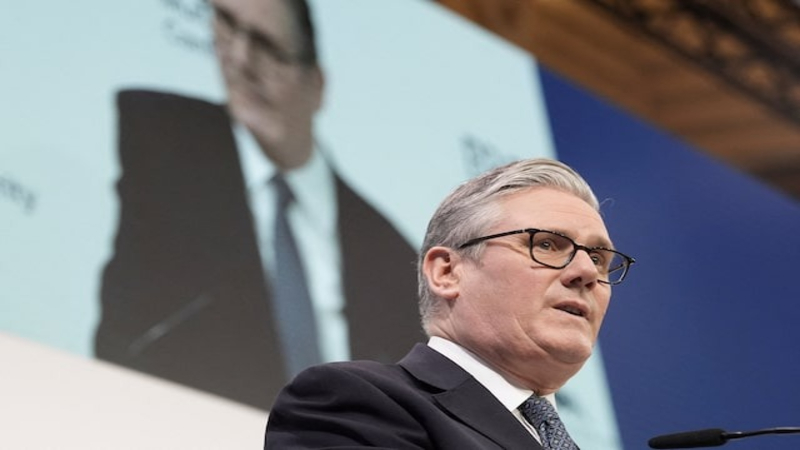
Prime Minister Keir Starmer has indicated that the UK government may accelerate its defence spending plans, saying the country needs to move faster in strengthening its military capabilities. His comments come amid reports that ministers are considering bringing forward the timeline to reach defence spending equal to 3 percent of national economic output.
Speaking on Monday, Starmer said the UK must step up its approach to defence investment in response to shifting global security conditions. While he did not confirm a specific change in policy, he made clear that the government is reviewing the pace of its existing commitments.
“We need to step up. We need to go faster,” Starmer said when asked about the possibility of accelerating spending targets. He added that while financial commitments are important, the broader strategy behind defence investment also matters, including coordination, capability and long term planning.
The UK has already pledged to increase defence spending in response to growing geopolitical uncertainty. The war in Ukraine, rising tensions in parts of Asia and changing security priorities among NATO allies have placed renewed focus on military readiness across Europe. Several European governments have announced higher defence budgets in recent years, citing the need for stronger deterrence and improved equipment.
In Britain, defence spending has traditionally hovered around 2 percent of gross domestic product, in line with NATO guidelines. Discussions about raising that level to 2.5 percent or higher have intensified, particularly as pressure mounts from allies to share more of the security burden. Moving to a 3 percent target would represent a significant shift in fiscal priorities and could require difficult trade offs elsewhere in the public finances.
Starmer’s remarks follow discussions at the Munich Security Conference, where leaders and defence officials debated Europe’s role in global security. Calls for closer cooperation and stronger investment in military infrastructure featured prominently during the gathering. British officials have signalled that the UK intends to remain a leading contributor within NATO and maintain strong partnerships with European allies.
Any acceleration in defence spending would come at a time when the government is balancing competing demands, including pressure to manage public debt and support economic growth. Financial markets are closely watching fiscal policy developments as the Bank of England navigates inflation and interest rate decisions.
Opposition figures have previously argued that defence funding should be shielded from political fluctuations, emphasising the importance of long term stability in procurement and strategic planning. Analysts note that while raising spending targets can send a strong signal internationally, delivering meaningful capability improvements depends on effective allocation and reform within the defence sector.
The government has yet to confirm whether a formal revision to its defence spending timetable will be announced. However, Starmer’s comments suggest that national security will remain high on the political agenda as global uncertainties persist and allies reassess their strategic commitments.