Business
Starmer calls emergency economic meeting as Iran war pressures UK markets and inflation outlook

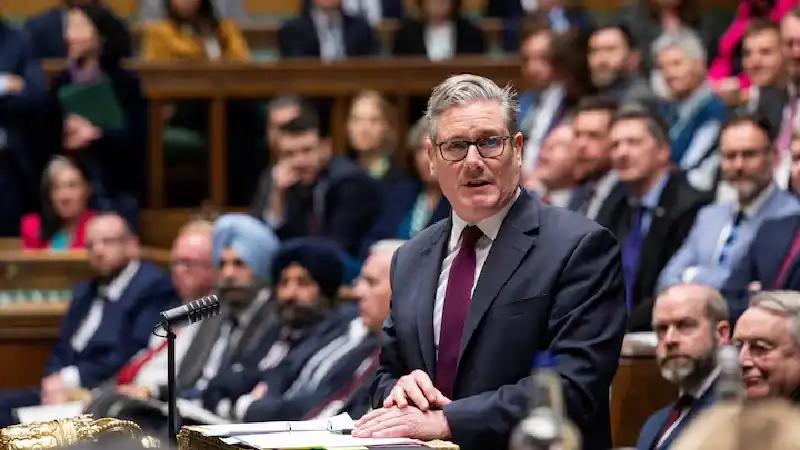
Prime Minister Keir Starmer has convened an emergency government meeting to address growing economic risks linked to the escalating conflict involving Iran, as financial markets in the United Kingdom show signs of increasing strain. The decision comes after a sharp rise in government borrowing costs and renewed volatility across global markets. Officials confirmed that the meeting will focus on the potential impact of rising energy prices, inflation pressures, and broader economic stability. The situation has intensified concerns about the cost of living and the resilience of the UK economy in the face of external shocks.
Market conditions deteriorated at the start of the week as geopolitical tensions triggered a sell off in government bonds, pushing yields to levels not seen since the financial crisis. Analysts noted that UK bonds have fallen more sharply than those of other major economies, reflecting structural vulnerabilities such as reliance on imported energy and persistent inflation. Investors have also reacted to warnings of possible disruptions in energy supply, which could further strain already stretched public finances and place additional pressure on households and businesses.
The emergency meeting, known as Cobra, brings together senior government officials, including the governor of the Bank of England and key cabinet ministers responsible for finance, foreign policy, and energy. Starmer has called for a comprehensive discussion on all available policy tools to manage the economic fallout. Government sources indicated that topics under review include energy security, industrial resilience, and measures to stabilize supply chains. The meeting highlights the seriousness of the current situation and the need for coordinated action across multiple sectors.
Economic forecasts suggest that the ongoing conflict could push inflation significantly higher in the coming months, with some estimates indicating a potential rise toward five percent. This would mark a setback for efforts to bring inflation under control and could complicate monetary policy decisions. Market expectations have already shifted, with traders now anticipating interest rate increases rather than cuts. The Bank of England has signaled it is prepared to act if necessary, though officials have cautioned that it remains too early to determine the full impact.
Government ministers have acknowledged the challenges but have so far resisted broad financial support measures, opting instead to consider targeted interventions. Discussions have included addressing potential pricing issues in fuel markets and providing support to sectors most affected by rising costs. Recent announcements of financial packages aimed at energy users have done little to calm investor concerns, as uncertainty continues to weigh on economic outlooks. The combination of rising borrowing costs and inflation risks has created a difficult environment for policymakers.
Financial analysts warn that continued instability could have wider consequences for the UK economy, including pressure on the national currency and reduced investor confidence. Some experts have pointed out that sharp movements in bond markets can amplify economic stress, particularly if driven by external factors. The current situation underscores the interconnected nature of global markets, where geopolitical developments can quickly translate into domestic economic challenges. As the government prepares its response, attention remains focused on how effectively it can manage both immediate risks and longer term economic stability.