Politics
Starmer Apologises to Epstein Victims and Turns on Mandelson as Political Pressure Intensifies

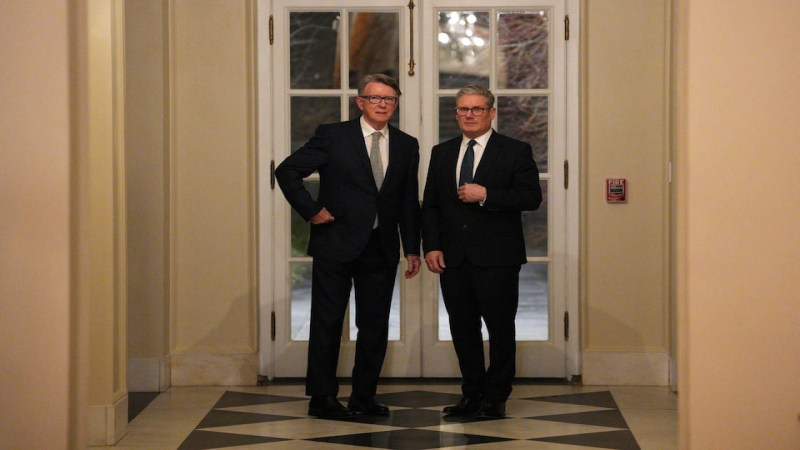
UK Prime Minister Keir Starmer has issued a direct apology to victims of Jeffrey Epstein while launching an unusually forceful public attack on his former US ambassador, Peter Mandelson, as fresh revelations deepen a political crisis threatening his leadership. Speaking during a visit to southern England, Starmer said he regretted trusting Mandelson and accused him of misleading both the government and the public before his appointment.
The controversy centres on Mandelson’s links to the late US financier and convicted sex offender Jeffrey Epstein, connections that were known publicly before Mandelson was appointed ambassador to Washington in December 2024. However, documents released last week by the US Justice Department revealed the scale and intensity of that relationship, triggering outrage across Parliament and renewed scrutiny of Starmer’s judgement.
According to the released emails, Mandelson appeared to have shared sensitive UK government information with Epstein while serving as a senior Labour figure more than a decade ago. The correspondence suggested Epstein had access to confidential discussions around potential UK asset sales, tax policy changes and details of a major European Union bailout package during the eurozone debt crisis. The files also indicated Epstein kept records of payments to Mandelson or his then partner, now his husband, though Mandelson has said he does not recall receiving any such payments.
Mandelson resigned from the House of Lords earlier this week and is now under police investigation for alleged misconduct in public office. He has not publicly responded to accusations that he leaked classified documents, and his representatives have declined to comment on the latest developments. Starmer confirmed that Mandelson had been dismissed from his ambassadorial role last September, but critics say the damage has already been done.
Addressing the issue head on, Starmer told audiences that while Mandelson’s acquaintance with Epstein was known, the full extent of the relationship was not. He said he felt deceived and made clear that Mandelson’s conduct raised serious moral and ethical questions. In an emotional moment, the prime minister directly addressed Epstein’s victims, apologising for his decision to appoint Mandelson and for believing assurances that he now says were untrue.
The fallout has intensified political pressure on Starmer from both opposition parties and within his own Labour ranks. Several Labour MPs have questioned his leadership, warning that public trust has been badly shaken at a time when polling already suggests widespread dissatisfaction with the government. Financial markets also reacted, with UK government borrowing costs edging higher as uncertainty around political stability grew.
Starmer said he had considered releasing the security vetting advice he received before appointing Mandelson but confirmed he would not do so at the request of police to avoid interfering with the ongoing investigation. He said protecting the integrity of the process and ensuring justice for victims must take priority over political convenience.
The episode has reignited broader debate about accountability, vetting standards and the concentration of power in British politics. As investigations continue, Starmer faces a defining moment, balancing calls for transparency with mounting questions about whether his leadership can survive the growing storm.