Entertainment
Southbank Centre Gains Listed Status After Decades Long Campaign

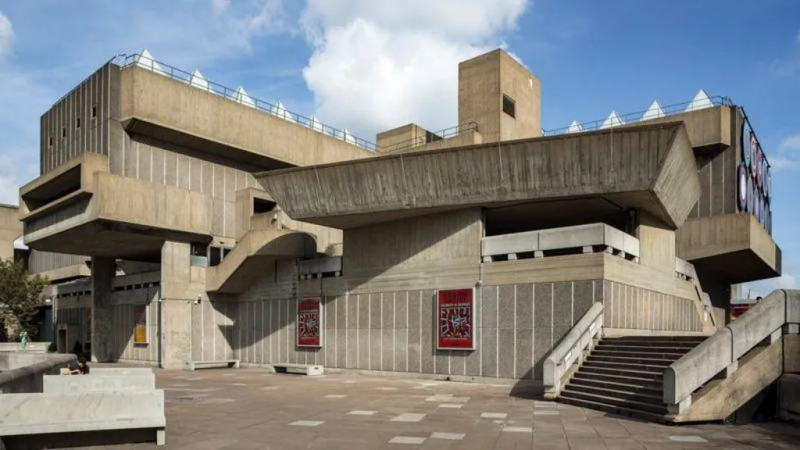
One of London’s most debated architectural landmarks has been formally granted listed status, bringing an end to a campaign that has spanned more than three decades and marking a significant moment for the recognition of post war architecture in Britain. The decision means the Southbank Centre arts complex will now receive legal protection, placing limits on how the site can be altered in the future.
The listing was approved by the Department for Culture Media and Sport and gives Grade II status to several key elements of the complex. As a result, any major changes to the buildings will require heritage approval, ensuring that their distinctive design and layout are preserved. Supporters of the move say the decision reflects a broader shift in attitudes toward Brutalist architecture, which has often divided public opinion.
The Southbank Centre was designed by a young architectural team led by Norman Engleback and opened in 1967. At the time, its bold use of exposed concrete, layered walkways, and angular forms proved controversial. The complex was even voted Britain’s ugliest building by readers of the Daily Mail shortly after opening, a label that followed it for years. Despite that reputation, it has also been praised by architects and historians as an important expression of post war design.
Today, the Southbank Centre is one of the capital’s busiest cultural destinations, hosting performances and exhibitions across music, theatre, dance, visual arts, literature, and public debate. The newly listed structures include the Queen Elizabeth Hall, the Purcell Room, the Hayward Gallery, and the surrounding terraces and staircases that link the site together. The Royal Festival Hall, which forms part of the wider complex, was already awarded Grade I listed status in 1988.
Campaigners have welcomed the decision as long overdue. Catherine Croft, director of the Twentieth Century Society, described the listing as the conclusion of the organisation’s longest running campaign. She said the recognition confirms the Southbank Centre as a major work of national and international importance and a leading example of Brutalist architecture. Historic England has also backed the move, having repeatedly recommended listing since the early 1990s.
The Grade II designation means the distinctive concrete forms, interior spaces, and original layout of the buildings will be safeguarded. Advocates argue this protection is essential not only for architectural reasons but also because of the site’s civic role along the Thames. Over the decades, the centre has become a focal point for public life in London, attracting millions of visitors each year.
A spokesperson for the Southbank Centre said the listing highlights the architectural and civic value of the Queen Elizabeth Hall and Hayward Gallery and underlines the need for continued government investment in buildings that remain publicly owned. The organisation has also asked the government for funding support to help upgrade its infrastructure as it approaches its 75th anniversary, saying preservation must go hand in hand with ensuring the complex remains functional and welcoming for future generations.