Politics
Sadiq Khan Urges Diplomats to Counter Trump Claims About London Safety and Crime

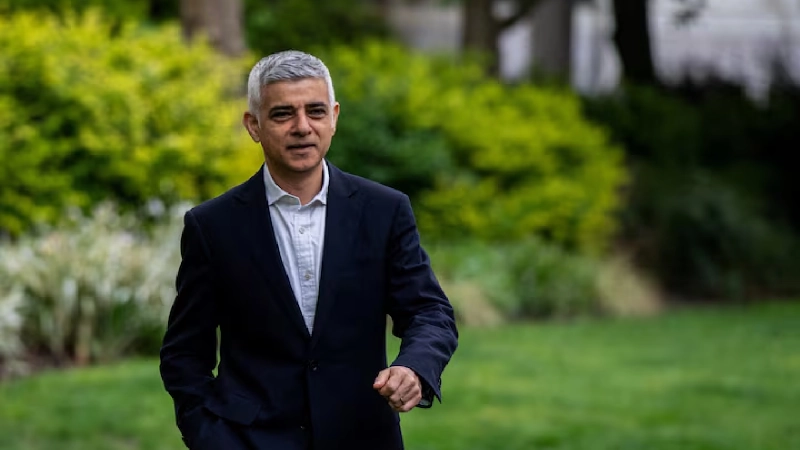
London Mayor Sadiq Khan has called on British diplomats worldwide to actively challenge what he described as misleading claims about the UK capital, particularly those made by U.S. President Donald Trump. Speaking after a meeting with ambassadors and senior diplomatic staff, Khan emphasized the importance of protecting London’s global reputation at a time when misinformation could influence tourism, investment and international perception. The appeal reflects growing concern within city leadership that repeated negative narratives about London are being amplified internationally without sufficient factual correction.
Khan specifically pointed to statements made by Trump that have portrayed London as unsafe, including claims about rising crime and cultural changes. The mayor rejected these assertions, stating that while no major city is without challenges, London remains one of the safer global capitals. He highlighted recent data showing improvements in key areas, including a reduction in certain types of street crime and historically low homicide rates per capita. According to Khan, such statistics present a more accurate picture of the city than the claims circulating in political discourse.
The mayor stressed that the responsibility to counter misinformation should extend beyond local authorities, urging diplomats to present verified facts when engaging with international audiences. He warned that unchecked narratives could have real economic and social consequences, potentially discouraging people from visiting, investing or studying in London. In a globalized environment where perception plays a major role in decision making, maintaining confidence in the city’s stability and openness has become increasingly important.
Khan also addressed the broader impact of social media in spreading such claims, noting that false or exaggerated statements can quickly gain traction across borders. He argued that coordinated efforts are needed to ensure that accurate information reaches global audiences, particularly in key markets. The meeting with diplomats included discussions on how to better equip representatives with data and messaging tools to respond effectively when confronted with misleading portrayals of the capital.
The tensions between Khan and Trump are not new and have developed over several years of public exchanges. The relationship first drew attention when Khan criticized policies introduced during Trump’s earlier presidency, particularly those related to travel restrictions. Since then, the two have frequently clashed in public statements, with Trump continuing to target London’s governance and Khan responding by defending the city’s diversity and resilience. This ongoing feud has periodically drawn international attention to London’s political landscape.
Despite the political backdrop, Khan emphasized that his focus remains on safeguarding London’s global standing rather than engaging in personal disputes. He reiterated that the city continues to attract millions of visitors each year and remains a leading destination for business, education and culture. Officials at the meeting also discussed the role of law enforcement data and international comparisons in reinforcing London’s position as a relatively safe and stable metropolitan hub.
The issue comes at a time when global competition between major cities for investment and talent is intensifying. Maintaining a positive international image is seen as critical for economic growth, particularly in sectors such as finance, technology and higher education. Khan’s call to action signals a more proactive approach in managing London’s narrative abroad, with diplomats expected to play a central role in addressing misinformation and promoting a fact based view of the capital.
As discussions continue, attention will remain on how effectively diplomatic channels can influence global perceptions and whether coordinated messaging can counter widely circulated claims. The outcome may shape not only London’s image but also how governments respond to similar challenges in an increasingly interconnected information landscape.