Politics
Russia Expels British Diplomat Over Alleged Espionage as Tensions Deepen

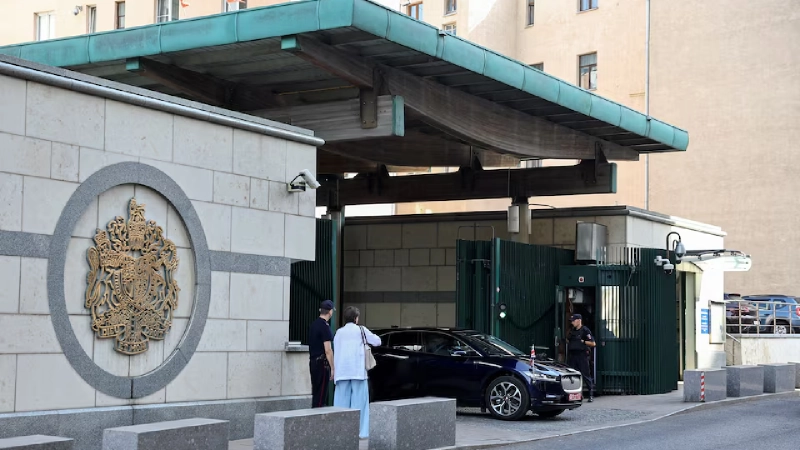
Russia has expelled a British diplomat after accusing him of engaging in economic espionage, further escalating already strained relations between Moscow and London. The move comes amid the ongoing war in Ukraine and reflects growing hostility between the two countries. Russian authorities claim the diplomat was involved in activities that threatened national security, while the United Kingdom has strongly rejected the allegations, calling them baseless and politically motivated. The incident highlights a sharp deterioration in diplomatic ties, with both sides increasingly viewing each other as significant strategic threats.
According to Russian security officials, the diplomat, identified as a second secretary at the British embassy, allegedly attempted to gather sensitive economic information through informal meetings with local experts. Authorities stated that his activities crossed the line of acceptable diplomatic conduct and posed risks to the country’s economic stability. State media also broadcast footage that it claimed showed the diplomat interacting with contacts in Moscow and visiting locations described as sensitive. These developments were presented as evidence supporting the decision to expel him from the country.
The situation reflects a broader pattern of rising mistrust and confrontation between Russia and Western nations, particularly the United Kingdom. Moscow has increasingly accused Britain of orchestrating intelligence operations aimed at destabilizing internal conditions. At the same time, British officials have repeatedly warned about alleged Russian involvement in cyberattacks, espionage, and covert operations across Europe. This mutual suspicion has led to a cycle of diplomatic expulsions and restrictions, creating one of the most tense periods in bilateral relations since the Cold War era.
A spokesperson for the British government described the accusations as completely unacceptable and accused Russian authorities of engaging in deliberate intimidation. Officials in London said their diplomats are being subjected to harassment and false claims designed to undermine their presence. Meanwhile, Russian authorities have issued warnings to their citizens, advising them to avoid any contact with British diplomatic staff. The messaging signals a further tightening of control and reflects a growing effort to isolate foreign diplomatic engagement within the country.
The backdrop to this escalation is the ongoing conflict in Ukraine, which has significantly reshaped geopolitical alignments. Britain has been one of Ukraine’s strongest supporters, providing financial aid, military assistance, and political backing. In response, Russia has increasingly portrayed the United Kingdom as a primary adversary. This narrative has been reinforced through state media, which frequently depicts Britain as actively working against Russian interests on a global scale. Such portrayals have contributed to a hardened domestic stance and reduced space for diplomatic dialogue.
Diplomatic conditions in Moscow have also become more restrictive in recent years. Foreign diplomats are now required to notify authorities before traveling beyond a limited radius, and surveillance measures have intensified. Many Western governments consider postings in Moscow among the most challenging globally, citing operational constraints and security concerns. At the same time, Russia has raised similar complaints about the treatment of its diplomats abroad, arguing that its representatives face restrictions and scrutiny in Western capitals.
This latest expulsion adds to a growing list of similar actions taken over the past two years, with multiple British diplomats reportedly asked to leave Russia during that period. The repeated incidents indicate a sustained deterioration in diplomatic engagement rather than an isolated dispute. Analysts suggest that such measures are likely to continue as long as broader geopolitical tensions remain unresolved, particularly with the Ukraine conflict still ongoing and no clear path to de escalation in sight.
The immediate outcome of this development is expected to further strain communication channels between the two nations. While diplomatic expulsions are a common tool in international disputes, the frequency and intensity of recent actions point to a deeper breakdown in relations. Both countries appear to be preparing for a prolonged period of confrontation, with limited opportunities for reconciliation in the near term.