News
Robotic Dogs Join New AI Trial to Detect Wildfires Earlier

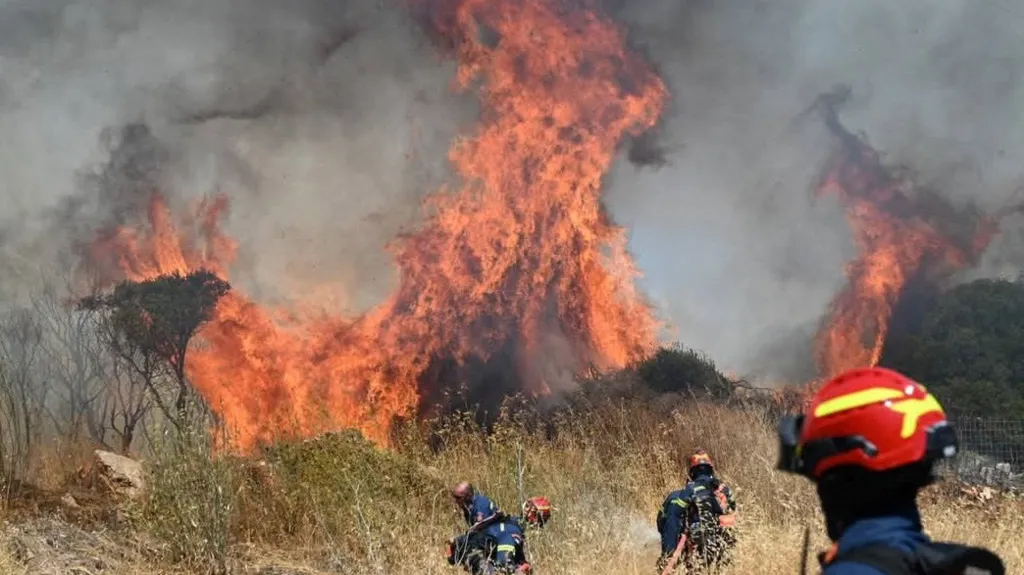
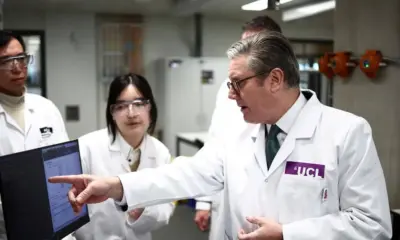
Researchers at the University of Bradford are experimenting with an unusual new tool in the fight against wildfires: robotic dogs. These four-legged machines will work alongside drones and advanced wireless technology to help identify the earliest signs of fires and send real-time alerts to emergency responders. The project is part of a wider effort to explore how artificial intelligence can strengthen wildfire prediction and prevention as extreme fire events become more common around the world.
The study forms a key component of the 6G VERSUS research programme, an EU-funded initiative testing next-generation 6G networks. The Bradford team plans to conduct its first major pilot in Greece next year, using data gathered by robotic dogs, high-resolution drones, and ultra-fast communications to detect smoke before fires grow large enough to cause major damage.
Dr Kamran Mahroof, one of the lead researchers, said the growing severity of wildfire seasons inspired the team to push the boundaries of available technology. He explained that wildfires are increasing in frequency and intensity across the globe, making early detection more important than ever. He said the team is proud to be working on solutions that could help communities respond faster and limit destruction.
The project received support earlier this year from the European Union’s Horizon Innovation Action programme and was presented at an event in Birmingham focused on the role of AI in addressing global challenges. The technology is of particular interest in regions like West Yorkshire, which has experienced several serious wildfires in recent years, including incidents on Marsden Moor and Ilkley Moor.
The West Yorkshire Fire and Rescue Service said it was not yet aware of the robotic dog trial but may reach out to the Bradford team for more information. A spokesperson explained that the service does not currently use artificial intelligence for wildfire response, but it does rely on drones equipped with thermal and optical cameras. These tools provide commanders with aerial views that help locate hotspots and monitor the movement of flames. The service also uses mapping and weather forecasting technology to predict fire behaviour and has recently introduced lighter protective gear to help firefighters operate safely during extended operations.
Dr Mahroof said the ultimate goal of the research is to identify potential fires as early as possible. He noted that combining 6G connectivity, drone surveillance and robotic dog mobility could provide a powerful new layer of intelligence for emergency teams. The robotic dogs can move across challenging terrain and collect environmental data that drones or human teams might miss. When paired with AI analysis this information could pinpoint the conditions most likely to spark a fire.
He added that the team sees this as a way to mitigate risks before they escalate, helping protect people, wildlife and natural landscapes.