Politics
Reform UK Unveils ICE Style Deportation Plan in Hardline Migration Push

Reform UK has pledged to create a powerful new deportation agency modelled on United States Immigration and Customs Enforcement as part of what it calls a radical overhaul of Britain’s immigration system. The announcement marks the party’s most detailed policy proposal yet as it seeks to capitalise on public concern over Channel crossings and asylum numbers.
Speaking in Dover, the main arrival point for small boat crossings from France, Reform’s home affairs policy chief Zia Yusuf described current migration levels as a national security emergency. He said a future Reform government would introduce an Illegal Migration Mass Deportation Act designed to compel the removal of people who have no legal right to remain in the country and restrict the ability of courts to block deportations.
Yusuf said the proposed Deportation Command would have the capacity to remove up to 288000 individuals per year. He compared the model to ICE in the United States but insisted Britain would not replicate controversial tactics associated with American enforcement operations. The US agency has faced scrutiny in recent years over its conduct, including high profile incidents involving the use of force, although US officials have defended their procedures.
Reform’s leader Nigel Farage, a central figure in the Brexit campaign, has placed immigration at the heart of the party’s strategy ahead of the next general election, which must take place by August 2029. Although Reform holds only eight seats in the 650 member House of Commons, recent opinion polls have shown growing support, positioning the party as a serious challenger to both Labour and the Conservatives.
The governing Labour Party criticised the proposal, accusing Reform of attempting to divide the country. Labour officials say they have already removed nearly 60000 individuals without legal status since winning power in 2024 and argue that a balanced approach combining border control with international cooperation is delivering results.
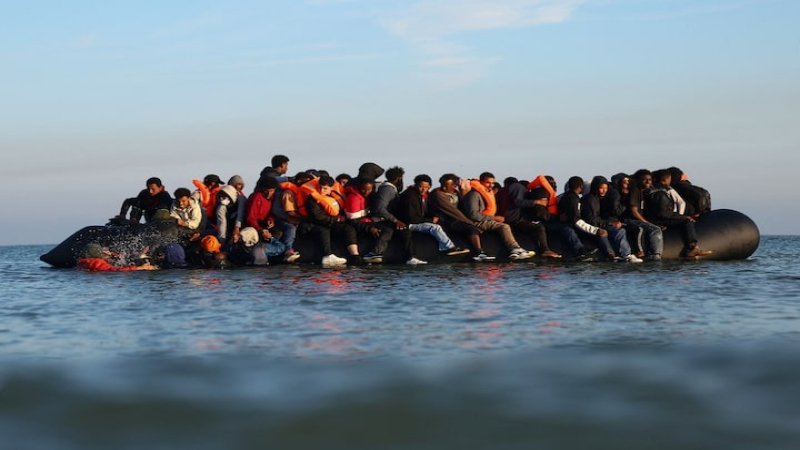
Official figures show that overall net migration has fallen over the past year. However, small boat crossings across the English Channel have increased, with more than 41000 asylum seekers arriving in 2025, making it the second highest annual total on record. Images of overcrowded dinghies leaving northern France have continued to dominate headlines and fuel political debate.
Reform’s plan also includes suspending benefit payments to foreign nationals without settled status and introducing visa restrictions on countries that refuse to accept the return of their citizens. Nations mentioned by party officials include Pakistan, Somalia, Eritrea, Syria, Afghanistan and Sudan.
Legal experts note that withdrawing from or overriding certain human rights frameworks, as suggested by some within the party, would likely face significant parliamentary and judicial challenges. Human rights organisations have warned that large scale deportation targets could strain the legal system and risk breaching international obligations.
Immigration remains one of the most sensitive issues in British politics, with voters divided over how to balance border security, economic needs and humanitarian responsibilities.