News
Reform UK Backs Bank of England Independence While Promising Institutional Changes

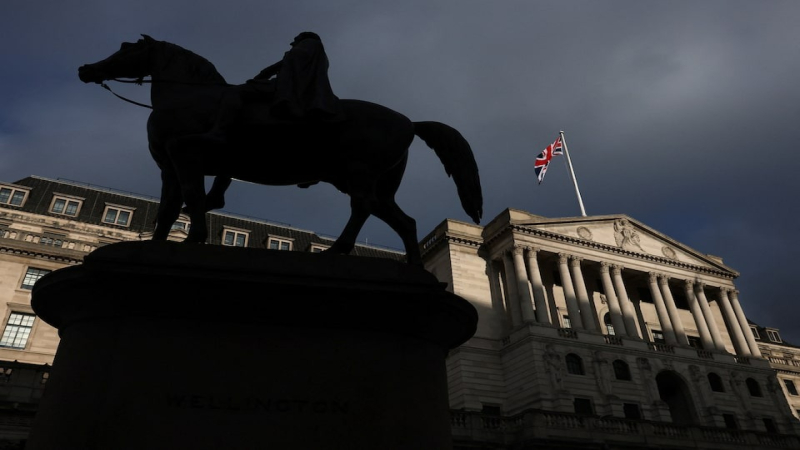
Reform UK has sought to reassure investors that it would respect the independence of the Bank of England and the Office for Budget Responsibility if elected, while outlining plans to change how both institutions operate. The party, led by Nigel Farage, is attempting to position itself as a credible economic alternative as it gains ground in opinion polls.
In a speech delivered in London’s financial district, Robert Jenrick, recently appointed as Reform’s prospective finance chief, said the Bank of England would remain independent under a Reform government. However, he argued that the central bank must improve its performance, particularly in its handling of inflation and monetary policy.
Jenrick repeated earlier criticism of the Bank’s bond buying programmes and suggested that policymakers had failed to respond swiftly enough to rising price pressures in recent years. He also said Reform would seek to adjust the composition of the Bank’s Monetary Policy Committee by including more members with business backgrounds. According to the party, this would strengthen practical economic insight in interest rate decisions.
At the same time, Reform indicated it would narrow the Bank’s focus by reducing its involvement in climate related initiatives, arguing that inflation control should remain the core priority. The proposal reflects a broader political debate over the expanding remit of central banks and the balance between monetary stability and other policy objectives.
The party also outlined changes to the Office for Budget Responsibility, the independent body that produces economic forecasts underpinning government fiscal plans. Reform said it would retain the OBR but introduce external forecasting competitions to identify so called super forecasters who could provide alternative modelling of the economic impact of treasury decisions.
Jenrick criticised the OBR’s past projections, arguing that it had underestimated the growth potential of tax reductions and overstated the economic benefits of certain migration patterns. Despite this, he emphasised that Reform would not sideline the fiscal watchdog, seeking to avoid comparisons with previous episodes that unsettled financial markets.
The party pledged to introduce strict fiscal rules after consulting investors and reiterated that tax cuts would only be implemented once there was sufficient fiscal headroom. Jenrick stated that savings of up to £25 billion annually could be achieved through adjustments to welfare spending, foreign aid and other budget areas.
Reform’s economic message is being closely watched by financial markets, particularly as the next general election approaches. The party is currently polling ahead of the governing Labour Party, increasing scrutiny of its policy proposals. Analysts note that maintaining investor confidence will be crucial if Reform is to present itself as a stable steward of the UK economy.
The emphasis on institutional independence alongside calls for reform reflects an effort to balance political change with financial credibility. With inflation easing and debate intensifying over the direction of fiscal and monetary policy, the party’s proposals are likely to remain under close examination in the months ahead.