Politics
Reeves targets UK energy bill support this winter
Reeves says new UK energy bill support will be targeted at those who need it most, as rising oil prices and global shocks keep household costs under strain.


Current Energy Crisis in the UK
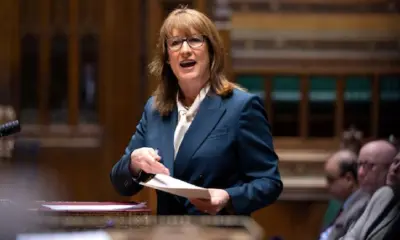
Reeves has set out a pitch for UK energy bill support that is explicitly targeted, arguing help should go to households “who need it most” as bills stay elevated and budgets remain stretched. The intervention lands with the price cap still leaving many consumers exposed to volatility in wholesale markets and standing charges, while arrears and debt repayment plans continue to feature across suppliers’ customer books. Ministers and the opposition are both wary of repeating the universal subsidies used during the sharpest phase of the shock, yet the political risk is clear: even modest seasonal spikes can force families to choose between heating and other essentials. The debate now is less about whether support exists, and more about who qualifies and how quickly it reaches them.
Who Will Benefit from the New Plan
The practical focus of the Reeves energy plan is on directing relief toward lower-income households and those with higher energy needs, rather than spreading support thinly across everyone. That implies a tighter link to existing benefits data, disability-related entitlements, pension credit take-up, and other markers of vulnerability that are already used to administer help. It also hints at a design that reduces administrative friction, because any complicated application process risks excluding precisely the people policy intends to reach. The political messaging is framed around fairness and value for money, with an emphasis on reducing waste while still preventing hardship. For context on the proposal’s positioning, see Reeves targets energy bill help for hardest hit, which sets out the core argument and its intended recipients.
Impact of Global Conflicts on UK Energy
Rising oil prices remain a key transmission channel from overseas conflict into domestic household bills, even though the UK power system is not driven solely by oil. Higher crude can lift transport and logistics costs, influence inflation expectations, and add pressure across energy-related inputs, while gas prices can jump on shipping risks and supply fears that follow geopolitical escalations. The market response in recent sessions has shown how quickly energy sentiment can swing with headlines, forcing suppliers and traders to re-price risk. One recent snapshot of that sensitivity is reflected in London stocks recover from sharp losses, while the broader security context is tracked in Starmer says UK not currently targeted by Iran. Reporting from outlets such as Reuters on energy markets and geopolitics has consistently underlined that price shocks can be driven as much by perceived risk as by actual supply loss.
Government’s Long-Term Energy Strategy
Targeted bill help is being discussed alongside a longer-run argument about insulating the country from external shocks through domestic capacity, efficiency, and cleaner generation. The policy challenge is sequencing: immediate support eases hardship now, but it does not by itself cut exposure to wholesale price spikes next year. That places renewed weight on home insulation upgrades, heat decarbonisation, grid reinforcement, and stable investment frameworks that reduce the cost of capital for new projects. If the state narrows support to those in greatest need, it also has to show credible delivery on measures that lower demand and improve resilience, otherwise the same households will return each winter needing rescue. The government’s ability to align planning, skills, and supply chains with these aims will shape whether short-term relief becomes a bridge to affordability or a recurring emergency measure.
Public Reaction and Expert Opinions
Public reaction has been shaped less by ideology than by lived experience of the Cost of living UK squeeze, with many households judging policy by whether it lowers direct debits and reduces uncertainty. Consumer groups typically welcome targeted help but caution that thresholds can create cliff edges where families just above eligibility still struggle. Energy analysts also stress that communications matter: if people do not understand what they qualify for, distrust rises and take-up falls. Media coverage has focused on the political choice between universality and targeting, and on how any scheme interacts with the regulated price cap and supplier billing practices. The BBC’s reporting, including its latest update on Reeves’ proposed bill help, has highlighted the promise to focus support, while commentary across the sector warns that delivery timelines must match the seasonal reality of higher winter consumption.