Business
Pound Rises for Fourth Day as Inflation Pressures Return

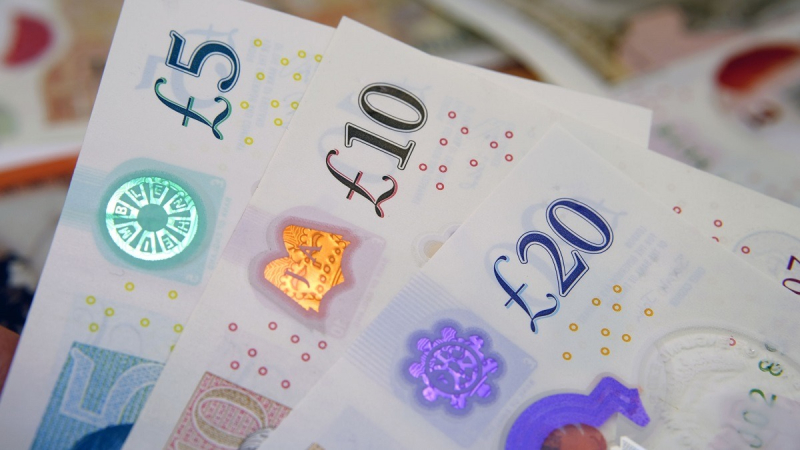
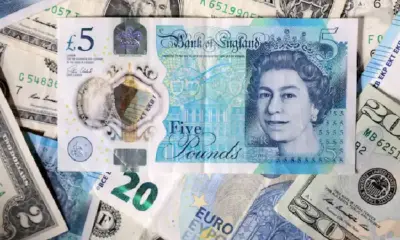
The pound continued its recent climb against the US dollar, extending gains for a fourth consecutive session as fresh data pointed to rising inflation pressures in the UK. Sterling edged higher during Tuesday trading, hovering close to a four month high after figures showed retail prices increased at their fastest pace in nearly two years. The data has challenged expectations that inflation is firmly under control and has added complexity to the outlook for interest rates. While global currency markets have been dominated by weakness in the dollar amid geopolitical uncertainty and renewed trade tensions, the pound has also drawn support from signs of resilience in domestic economic conditions. Analysts said stronger recent indicators have helped offset concerns around slowing growth, at least in the short term, allowing sterling to outperform several major peers despite lingering political uncertainty at home.
Against the euro, the pound slipped slightly, reflecting broader volatility across currency markets rather than a sharp shift in sentiment toward the UK. The dollar has faced sustained pressure in recent weeks as investors reassess exposure to US assets, with fears around tariffs, international tensions and the possibility of coordinated currency action by major economies weighing on confidence. In contrast, UK data released last week suggested an uptick in economic momentum, adding to the pound’s appeal. Retail price figures published on Tuesday showed costs rising more quickly across major shops, prompting warnings that inflationary pressures may be proving more persistent than previously hoped. The figures have raised questions about whether policymakers can move quickly toward easing monetary policy without risking a renewed surge in prices.
The inflation data arrives just ahead of a key interest rate decision, with markets largely expecting rates to remain unchanged in the near term. Traders are currently pricing in potential cuts later in the year, but the timing and scale remain uncertain as economic signals send mixed messages. Alongside economic factors, political tensions are also beginning to feature more prominently in market assessments. Analysts have warned that internal divisions within the governing party and wider uncertainty around leadership could undermine confidence if they intensify. For now, global developments have diverted attention away from domestic risks, but some market watchers caution that once focus returns to UK politics, the pound could face renewed pressure. The balance between economic resilience and political instability is likely to shape sterling’s direction in the months ahead.