Latest News
Pound Climbs as Dollar Weakens on Trade Tensions

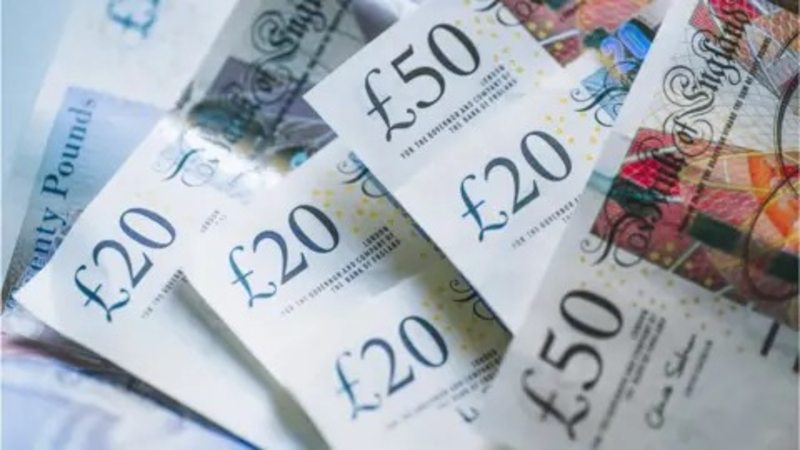
The pound moved toward its strongest two day gain since December as investors sold the US dollar amid rising trade tensions between the United States and Europe. Sterling advanced around 0.8 percent over two sessions to trade near 1.35 dollars, benefiting from a broad shift away from US assets as markets reacted to renewed tariff threats. The move followed comments from US President Donald Trump, who warned of new tariffs on several European countries, including the UK, unless they agreed to US ownership of Greenland. The prospect of fresh trade barriers unsettled investors, triggering a pullback from the dollar and driving demand for European currencies and gold. Analysts said the currency moves reflected growing concern about geopolitical risk rather than changes in underlying economic fundamentals, with the dollar bearing the brunt of the adjustment.
While sterling strengthened against the dollar, it lagged behind the euro, which emerged as the main beneficiary of the shift in sentiment. The single currency rose to its strongest level against the pound since early November, highlighting differing market expectations across Europe. Traders said euro gains were supported by perceptions that the euro zone would be less exposed to immediate political risk than the United States. In contrast, the pound’s rise was seen as more tactical, linked to broad dollar weakness rather than UK specific optimism. Currency markets were also supported by rising demand for safe haven assets, with gold prices moving higher as investors looked to hedge against escalating trade disputes and potential knock on effects for global growth and financial stability.
UK economic data released earlier in the day painted a mixed picture for sterling. Labour market figures showed employment continuing to weaken, with payroll numbers recording their largest fall since late 2020 and the jobless rate holding near five year highs. However, economists noted signs that conditions may be stabilising. Redundancies declined, vacancies steadied, and inactivity rates edged lower, suggesting the sharpest phase of the downturn could be passing. Wage growth also slowed, easing pressure on policymakers concerned about inflation persistence. Analysts said the data reduced immediate risks for the UK economy, helping to limit any negative impact on the currency despite the overall softness in employment trends.
Attention is now turning to the policy outlook at the Bank of England, where markets are increasingly pricing in interest rate cuts later this year. Traders currently expect at least one cut by mid year, with a growing chance of a second move before the end of the year. Economists say the recent moderation in wage growth provides room for easing, particularly if global uncertainty continues to weigh on confidence. For now, sterling’s direction is likely to remain closely tied to developments in global trade and the trajectory of the dollar, with investors watching political signals as closely as domestic data for cues on the next move.