News
Police Bias Allegations Raised in Tribunal Over Failed Investigation into Serial Offender David Carrick

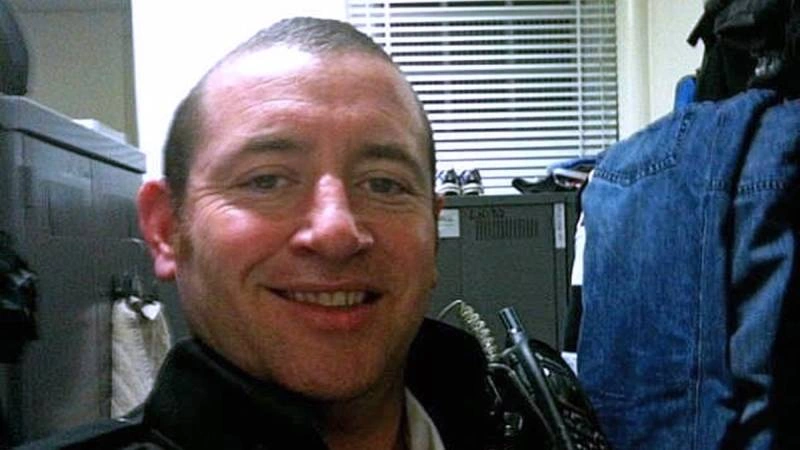
A disciplinary tribunal has heard that unconscious bias by a Metropolitan Police detective may have contributed to serious failures in an early investigation into former officer David Carrick, one of the most prolific sex offenders in British criminal history. Carrick, a former armed officer with the Metropolitan Police, is currently serving multiple life sentences after admitting to a series of rape and sexual assault offences against numerous women. The hearing is examining whether a senior officer failed in his duty to properly oversee the investigation when allegations were first reported in 2021 by a woman who claimed Carrick had raped her during a relationship.
The tribunal was told that a detective sergeant responsible for supervising the case did not ensure that investigators carried out a full and thorough inquiry after the complaint was filed. The woman had reported repeated assaults that allegedly took place over several months, prompting police to begin a criminal investigation. However, the hearing heard that key steps normally expected in such cases were not taken. Investigators reportedly failed to follow up with potential witnesses and did not fully examine relevant digital communications linked to the case, including offensive social media messages that could have provided further evidence.
Lawyers presenting the misconduct case argued that the shortcomings in the investigation may have been influenced by bias regarding the victim’s gender and ethnic background. According to statements presented to the panel, the supervising officer was strongly critical of the complainant’s credibility during interviews and made repeated references to her immigration status. Officials overseeing the disciplinary proceedings claim that these factors may have influenced how the investigation was conducted and contributed to the decision to pursue a simplified inquiry rather than a more detailed criminal investigation.
The tribunal also heard that the victim eventually informed police that she was unwilling to continue with the investigation because she felt unable to cope with the emotional pressure of the process. Authorities emphasized that this statement did not represent a withdrawal of her allegation but rather a reluctance to proceed with further legal action. Despite this distinction, the investigation was scaled back, and a more limited review of the allegations was conducted instead of a full criminal inquiry that could have examined the evidence in greater detail.
Evidence presented during the hearing suggests that investigators relied heavily on a brief summary of Carrick’s interview rather than obtaining the complete transcript. The panel was told that a seven sentence report was used instead of reviewing a full transcript that contained dozens of pages of detailed responses. Officials leading the misconduct case argued that such an approach was inadequate given the seriousness of the allegations. They stressed that cases involving accusations of sexual violence require careful analysis of evidence and credibility before any decision is made to limit or discontinue an investigation.
The disciplinary panel is also considering whether the supervising officer directed investigators to use a streamlined process that reduced the scope of the inquiry. According to statements presented during the proceedings, the approach may have prevented investigators from properly examining key evidence and witness testimony. Legal representatives argue that this decision significantly weakened the investigation at a time when serious allegations had been made against a serving police officer.
David Carrick was later exposed as a serial offender responsible for numerous sexual crimes committed over many years. His eventual conviction resulted in dozens of life sentences and prompted widespread criticism of the Metropolitan Police’s internal oversight systems. The tribunal is examining whether earlier investigative failures allowed Carrick’s behaviour to continue unchecked and whether disciplinary action should be taken against officers involved in the initial handling of the complaint.
The outcome of the hearing could have significant implications for police accountability and investigative procedures within the Metropolitan Police. If the allegations of misconduct are upheld, the officer involved could face dismissal from the force. The proceedings are part of a broader effort to examine how previous complaints against Carrick were handled and whether systemic failures contributed to one of the most serious policing scandals in recent British history.