Tech
Online Privacy Education for Kids, New UK Push
UK officials urge parents to treat online privacy education like road safety, with practical guidance on child safety, data protection, and safer habits.

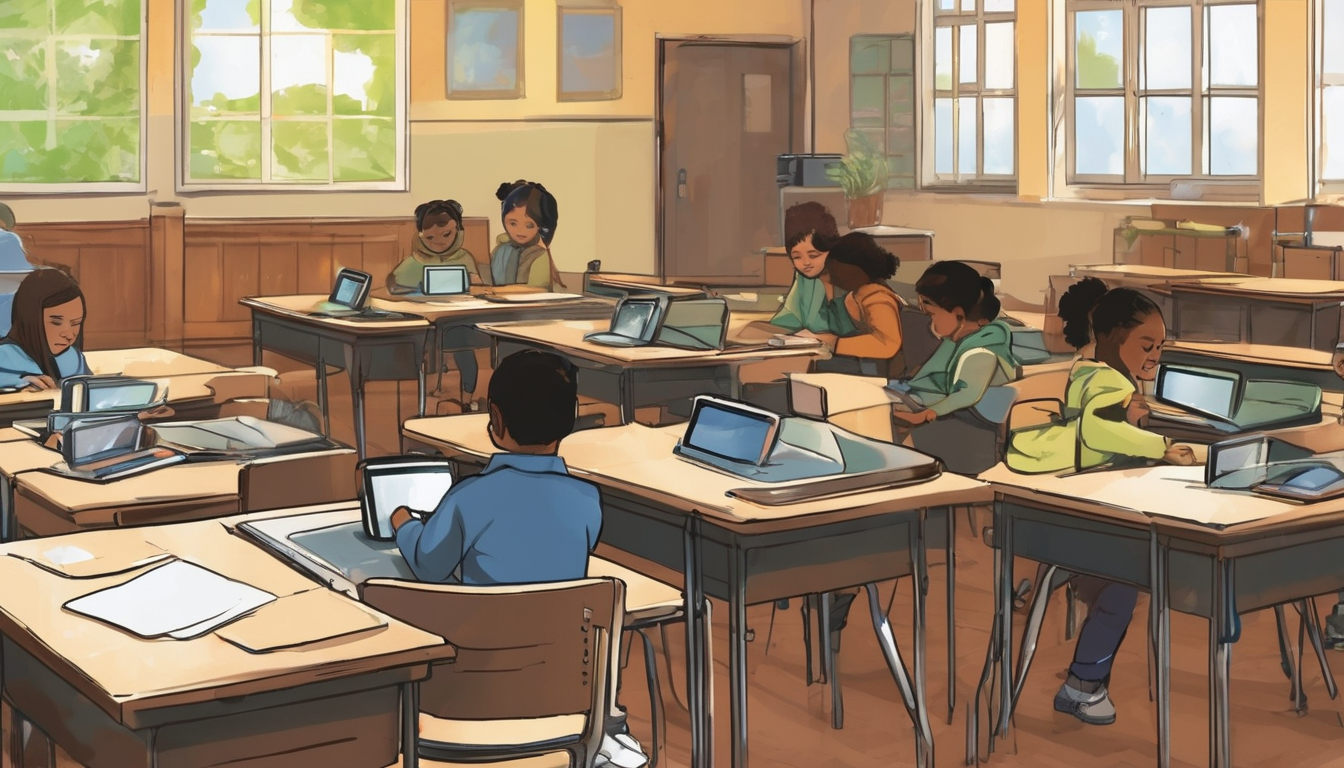
Government Urges Parental Action on Privacy
Ministers are urging families to treat online privacy education as seriously as road safety, putting day to day training back in the home rather than waiting for a crisis. The message is framed as a public safety appeal, with parents encouraged to set clear rules on sharing names, school details, locations and photos, and to model the same behaviour themselves. Officials say the most effective approach is routine and practical, like checking traffic before crossing, so children build habits that hold up under pressure from peers, games and social platforms. Today the focus is on prevention, not punishment, and the guidance is being positioned as part of mainstream child safety policy.
Why Online Privacy is Crucial for Kids
Campaigners and regulators argue that online privacy education matters because children face high velocity data collection in apps, consoles and classrooms, often before they understand what is being recorded. Personal data can be inferred from small signals, from a profile photo to a gaming handle, and the resulting trail can shape what they see, who can contact them, and how they are targeted. A Live debate has followed coverage of recent family warnings, echoing reporting highlighted by the BBC, and it has made the practical link between privacy and child safety easier to communicate. In parallel, schools are aligning lessons with broader data protection expectations, including guidance on consent, retention and accountability.
Impact of Poor Data Choices on Children
The government warning also reflects how fast a minor mistake can travel once it becomes searchable, shared or packaged into profiles, making data protection more than a compliance phrase. When children overshare, the risk is not limited to strangers, it can include unwanted contact, identity misuse, or reputational harm that follows them into secondary school and beyond. An Update to parental advice has stressed that privacy failures can happen through default settings, in app permissions, and in “just this once” posts that are later copied. Coverage across UK news has compared this to leaving a front door unlocked, and a useful parallel can be seen in how people learn financial hygiene in other digital trends, as discussed in Esports Meets Finance Education, where early habits matter as much as later enforcement.
Tips for Effective Privacy Education
Practical parental guidance is being framed as coaching rather than policing, with the emphasis on quick routines that children can repeat without thinking. Parents are being advised to review device privacy menus together, agree what information never leaves the family circle, and rehearse what to do when an app pushes for extra permissions that do not match its purpose. This is where child safety and data protection join up, because the goal is to reduce exposure before harm is possible. A Live approach to household rules also helps, with short check ins after new downloads or game updates, and with settings that reset periodically. For wider context on how fast digital behaviour shifts, London firms adapting to new tech pressures have been covered in AI Search Push Forces London Firms to Adapt Fast, a reminder that privacy habits must keep pace.
Future of Privacy in a Digital World
Regulators expect platforms to carry more responsibility, but they are also signalling that families remain the first line of defence as tools evolve, including AI powered search, voice assistants and automated profiling. The long term direction is toward clearer consent and stronger default safeguards, yet the near term reality is that children still encounter dark patterns and social pressure to share. Today officials want online privacy education embedded as a normal life skill, with consistent parental guidance and reinforcement at school, rather than one off assemblies. Another Update is expected as departments align messaging with ongoing UK guidance, and parents are being pointed toward reputable reporting and explainers, including coverage from the Guardian at The Guardian’s technology section. In related education policy, families tracking student finance changes have also followed Plan 2 student loan interest rates capped at 6%, showing how digital literacy now sits alongside other household decisions.