Business
Mexico’s New Tariff Strategy Signals a Shift in Global Trade Dynamics

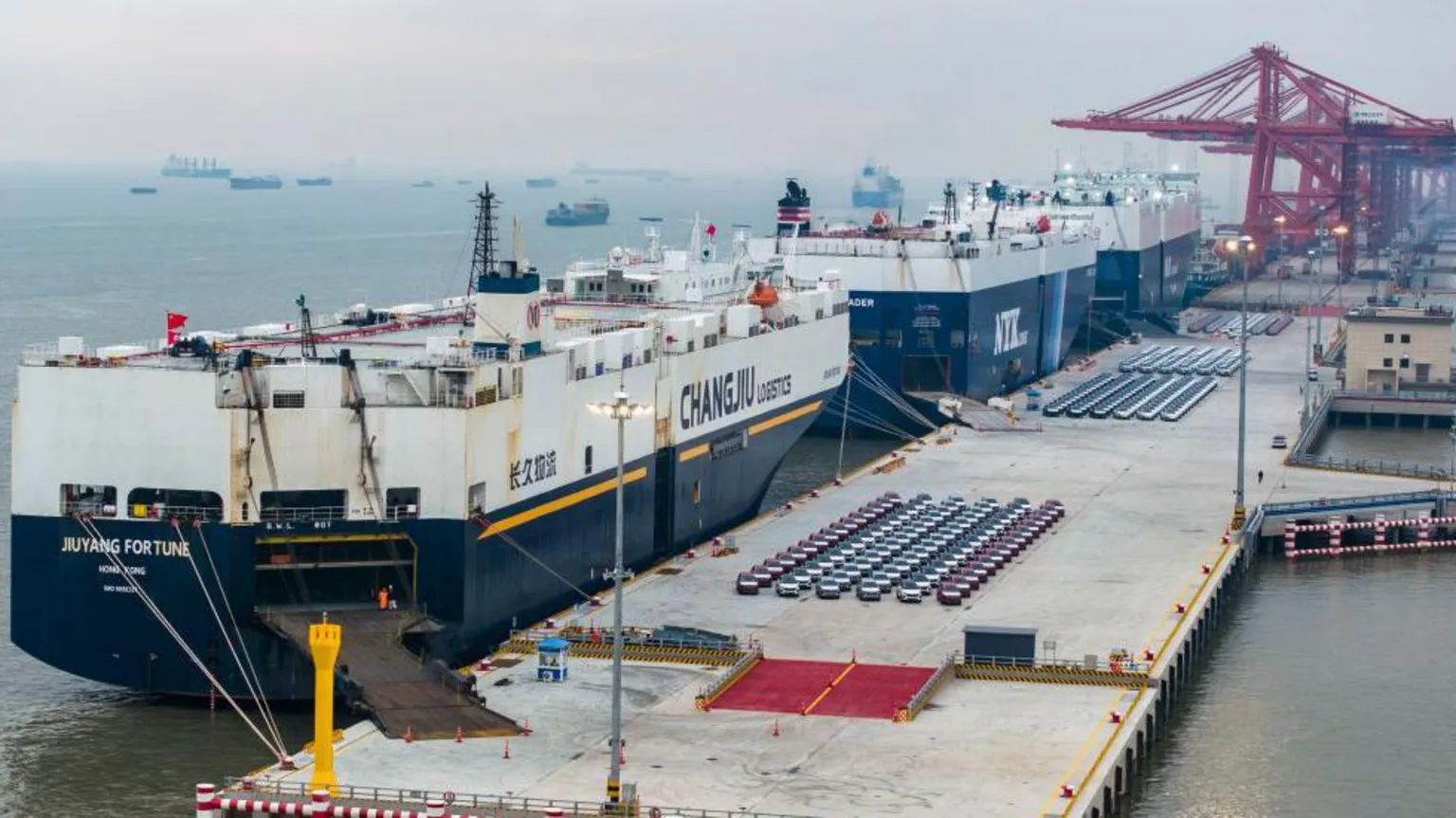
Mexico has taken a decisive step in reshaping its economic direction by approving a wide package of tariffs that will affect hundreds of imported products. The decision, backed by lawmakers in the Mexican Senate, introduces levies of up to fifty percent on a long list of goods, many of which originate from China. The policy is scheduled to take effect on the first day of 2026 and has already created significant discussion among economists, manufacturers and global trade analysts. While the government argues the move is essential for strengthening domestic production, the broader implications stretch far beyond national borders and tie closely to Mexico’s increasingly complex relationship with the United States.
Why Mexico Is Raising Tariffs
President Claudia Sheinbaum has been clear about the intent behind the new tariff regime. According to her administration, the measures are designed to stimulate national industries that have struggled to compete with low cost imports. Items such as metals, vehicles, clothing, appliances and a variety of manufactured goods will now face higher entry costs, giving Mexican producers a stronger footing in the domestic market. The argument is grounded in long standing concerns about industrial erosion and the challenge of maintaining competitive local manufacturing in an era of globalized supply chains. By raising tariffs, the government is attempting to slow the influx of cheaper imports and push companies to source or produce more products inside Mexico.
Who Will Be Affected By The Tariffs
Although China is the most prominent supplier in the group, the tariff plan affects dozens of nations that lack a free trade agreement with Mexico. Countries such as Thailand, India and Indonesia will also see their exports subjected to the new costs. This broad approach demonstrates that the policy is not targeted at a single nation but rather at restructuring Mexico’s trade environment. Many of the affected goods fall into categories where foreign producers have traditionally dominated the Mexican market. By imposing higher import taxes, the government hopes to redirect demand toward local suppliers while encouraging foreign firms to consider establishing production operations inside the country. This aligns with Mexico’s ongoing push to position itself as a nearshoring destination for global manufacturers seeking proximity to North American markets.
The US Factor And Rising Trade Pressures
The timing of Mexico’s decision cannot be separated from ongoing tensions with the United States. President Donald Trump has threatened Mexico with steep import taxes, arguing that the country must do more to manage trade imbalances and increase regional cooperation. With negotiations underway, Mexico’s tariff initiative may serve two purposes. It signals to Washington that Mexico is taking economic protection seriously while also creating bargaining leverage as both sides revisit the terms of cross border commerce. The United States remains Mexico’s most critical trading partner, and any shift in trade policy has immediate consequences for industries operating along the US Mexico supply chain. Mexico’s new tariff structure may be interpreted as a preemptive measure to strengthen its economic posture before any final decision from the US.
What This Means For Global Trade
The introduction of these tariffs adds another layer to the evolving landscape of global commerce. As nations reassess their dependencies on foreign manufacturing, protective policies are becoming more common. Mexico’s decision reflects this broader trend, illustrating how emerging economies are using tariffs not only to shield domestic industries but also to reposition themselves in a competitive international framework. Companies operating in affected sectors will need to evaluate their supply chains, reconsider export routes or even explore investment in Mexican facilities to avoid the new costs. The move underscores a growing shift toward regionalized trade and localized manufacturing that has accelerated in recent years.