
Fashion
Luxury Brands Say Quiet Luxury, Gen Z Says We’re Just Broke

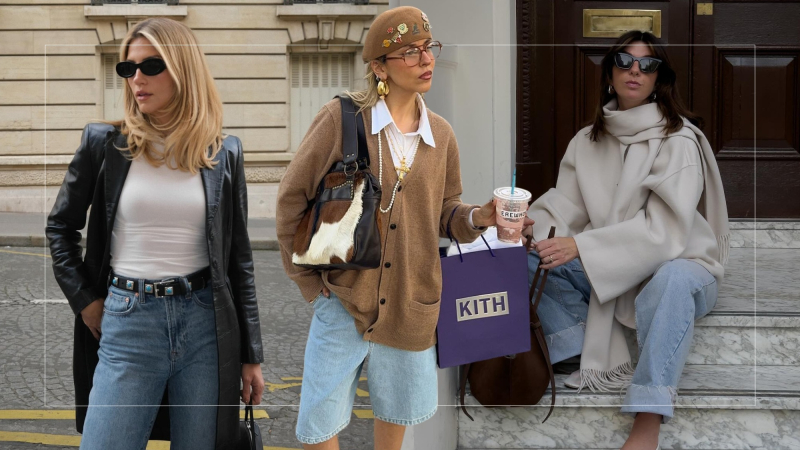
Luxury fashion has entered a softer phase. Logos are shrinking, colours are fading, and bold statements are being replaced with subtle tailoring and neutral palettes. Fashion houses describe this shift as refinement, restraint, and timeless elegance. On the streets of London, the interpretation is far less poetic.
For many Gen Z consumers, quiet luxury looks less like a trend and more like a financial reality. Beige coats, muted knits, and simple silhouettes are not always deliberate style choices. They are often the most affordable options available. What is marketed as minimalism can feel indistinguishable from budgeting.
Quiet Luxury Meets Economic Pressure
Quiet luxury thrives on the idea of effortlessness. Clean lines, high quality fabrics, and pieces designed to last signal wealth without announcing it. The problem is that this aesthetic assumes financial security in the background. Without that foundation, the look shifts from aspirational to accidental.
Young Londoners navigating high rents and rising living costs are dressing simply because simplicity is practical. Neutral tones mix easily, last longer, and draw less attention to repetition. What luxury brands frame as intentional understatement often mirrors the wardrobe strategies of people managing tight finances.
When Minimalism Stops Feeling Like a Choice
Fashion trends usually promise empowerment through expression. Quiet luxury, however, blurs that promise. When minimalism aligns too closely with economic constraint, it loses its aspirational edge. Many Gen Z consumers do not feel like they are opting into a refined aesthetic. They feel like they are opting out of excess because excess is unaffordable.
This tension creates a disconnect between runway messaging and real world reception. A neutral outfit can signal wealth in one context and financial limitation in another. The difference lies not in the clothes, but in the story surrounding them.
Survival Chic and the New Uniform
The rise of what some call survival chic reflects adaptation rather than trend chasing. Practical clothing that works across settings has become a quiet uniform for urban youth. Items are chosen for versatility, durability, and cost effectiveness. Style becomes secondary to function.
This does not mean creativity has disappeared. It has simply become subtler. Personal expression shows up in small details rather than full outfits. Accessories, layering, and second hand finds carry more weight than brand names.
Social Media Keeps the Illusion Alive
Online platforms continue to blur the line between luxury and frugality. Influencers present neutral wardrobes as intentional curation, even when those looks closely resemble budget dressing. Algorithms reward aesthetic consistency, not financial transparency.
As a result, quiet luxury gains cultural momentum even as economic realities undermine its exclusivity. The trend survives because it adapts to constraint. It looks good on screen and feels achievable, even if the original luxury context is missing.
Brands and the Risk of Misreading the Moment
Luxury brands celebrating quiet luxury risk overlooking why the look resonates. If they interpret the trend as renewed appetite for understated wealth, they may miss the underlying pressure shaping consumer behaviour. Gen Z engagement does not always equal purchasing power.
When fashion narratives drift too far from lived experience, they lose authenticity. The current moment calls for awareness as much as aspiration. Understanding the difference could shape how brands remain relevant.
Conclusion
Quiet luxury sits at an uncomfortable intersection of elegance and economics. For some, it represents refined taste. For many young Londoners, it simply reflects financial reality. When beige can signal both wealth and constraint, fashion’s message becomes ambiguous. In that ambiguity, Gen Z is not buying into luxury. They are dressing around it.



